How Close Can You Get to the Golden Monkeys?
September 3, 2026
Private Safari vs Group Safari: Pros and Cons
September 3, 2026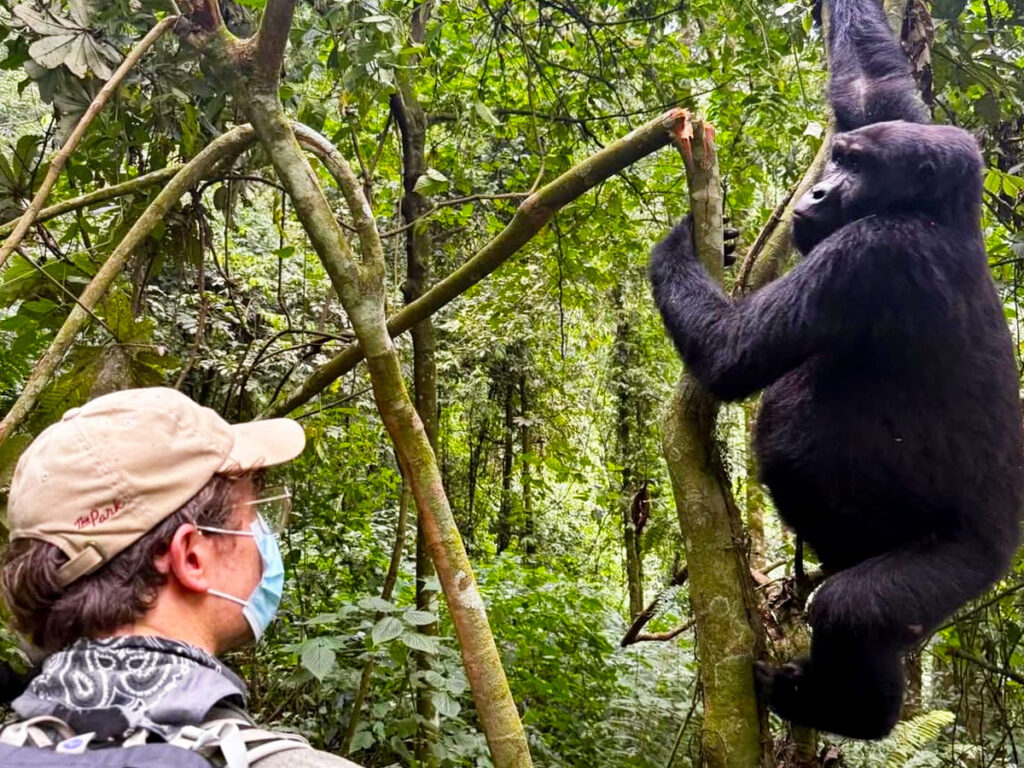
Gorilla Trekking vs Chimpanzee Tracking: Which Primate Adventure Should You Choose?
Africa offers some of the world’s most extraordinary wildlife experiences. Among them, gorilla trekking and chimpanzee tracking create deeply memorable encounters. Both adventures take travelers into lush forests and protected wilderness areas. However, each experience offers a different rhythm, landscape, wildlife encounter, and cultural connection.
Gorilla Trekking vs Chimpanzee Tracking remains an important consideration for travelers planning a primate safari. Gorilla trekking usually focuses on finding habituated mountain gorilla families. Chimpanzee tracking follows energetic communities through forest habitats. Therefore, the two experiences require different expectations and preparation.
Gorilla trekking often involves longer hikes through challenging forest terrain. Chimpanzee tracking can involve faster movements and frequent changes in direction. Both activities require patience, physical readiness, responsible behavior, and respect for wildlife.
At Freka African Holidays, we view primate tourism as more than wildlife viewing. These experiences support conservation, local employment, forest protection, and community tourism. Furthermore, responsible visitors can contribute to long-term protection for endangered primates.
This guide explores Gorilla Trekking vs Chimpanzee Tracking from practical, cultural, environmental, and experiential perspectives. It helps you understand what each adventure offers before choosing your African safari.
Gorilla Trekking: An Intimate Forest Wildlife Experience
Meeting Mountain Gorillas
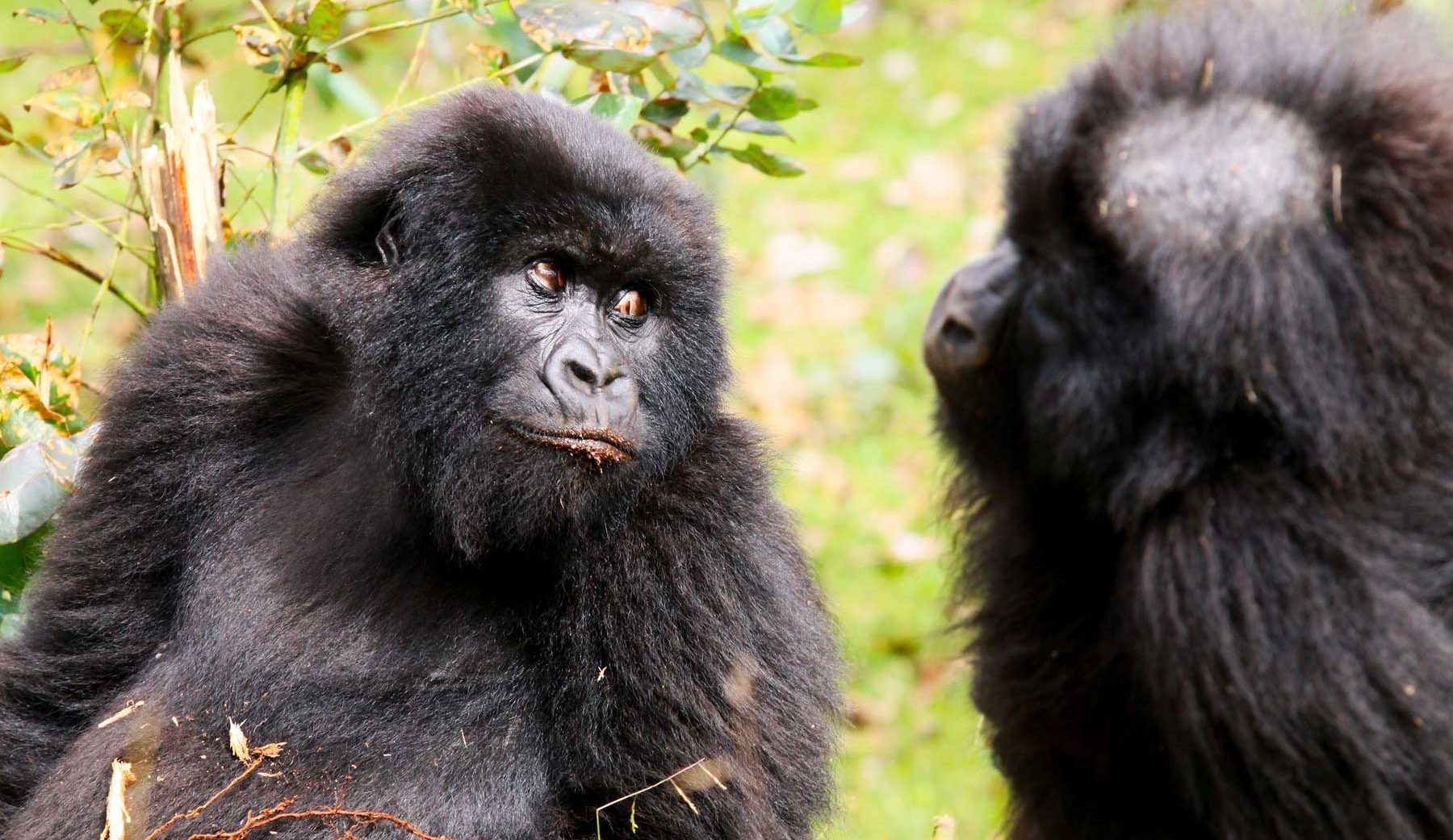
Gorilla trekking provides an exceptional opportunity to observe mountain gorillas in their natural habitat. These powerful yet gentle primates live within protected forest ecosystems.
Travelers normally trek through dense vegetation before reaching a habituated gorilla family. Once you find the group, the forest becomes your viewing environment. Gorillas may feed, rest, climb, groom, or interact with younger members.
The encounter can feel deeply personal because gorillas display complex social behaviors. Their expressions, movements, and family interactions create fascinating observations.
Gorilla Trekking vs Chimpanzee Tracking differs significantly during the actual wildlife encounter. Gorilla groups generally move more slowly than chimpanzee communities. Consequently, travelers can often spend meaningful time observing their behavior.
The Physical Challenge
Gorilla trekking requires reasonable physical fitness. Forest terrain can include steep slopes, slippery paths, thick vegetation, and uneven ground.
Altitude can also influence the trekking experience. Travelers should prepare for changing weather and demanding hiking conditions. Proper footwear, hydration, and layered clothing can improve comfort.
Fortunately, travelers can discuss mobility concerns with their safari operator before departure. Preparation allows the team to recommend suitable trekking options and practical support.
Chimpanzee Tracking: Energy, Intelligence, and Forest Discovery
Following Chimpanzee Communities
Chimpanzee tracking provides a different kind of forest adventure. Chimpanzees move quickly, communicate loudly, and frequently change locations.
Trackers follow clues such as vocalizations, nests, feeding activity, and footprints. The search itself becomes part of the experience. Suddenly, distant calls can guide the group deeper into the forest.
Once the community appears, visitors may witness grooming, feeding, playing, territorial behavior, and social interaction. Chimpanzees often provide dynamic and unpredictable viewing opportunities.
For this reason, Gorilla Trekking vs Chimpanzee Tracking involves more than comparing two primate species. Each activity creates a distinct wildlife experience.
A Fascinating Learning Experience
Chimpanzees share many behavioral characteristics with humans. Their social structures, communication patterns, and problem-solving abilities provide valuable learning opportunities.
Guides can explain forest ecology and chimpanzee conservation during the tracking experience. Travelers can therefore develop greater appreciation for these intelligent primates.
Chimpanzee tracking also introduces visitors to the broader forest ecosystem. Birds, monkeys, butterflies, trees, and other wildlife may appear along the trail.
Gorilla Trekking vs Chimpanzee Tracking: Key Differences
Wildlife Behavior
Gorillas usually create calmer viewing experiences. Their family groups often remain within relatively small areas while feeding and resting.
Chimpanzees can create more energetic encounters. Their movements through the canopy and forest floor can make sightings unpredictable.
Therefore, Gorilla Trekking vs Chimpanzee Tracking depends partly on your preferred wildlife experience. Choose gorillas for intimate family observations. Choose chimpanzees for dynamic forest action and discovery.
Trekking Conditions
Both activities require walking through forest environments. However, the terrain, distance, altitude, and weather can vary according to the location.
Gorilla trekking often involves steep forest terrain. Chimpanzee tracking may involve flatter trails in some destinations. Nevertheless, conditions can change daily because wildlife determines the tracking route.
Travelers should avoid assuming that one activity always feels easier. Fitness levels, weather, trail conditions, and wildlife movement all influence the experience.
Where Can You Experience These Primate Adventures?
Uganda’s Primate Tourism
Uganda provides outstanding opportunities for both gorilla trekking and chimpanzee tracking. The country’s diverse forests support several important primate populations.
offers travelers opportunities to combine primate experiences with traditional wildlife safaris. Visitors can therefore create itineraries that include forests, savannahs, wetlands, and cultural destinations.
remains internationally recognized for mountain gorilla conservation. Its ancient forest creates a dramatic setting for gorilla trekking.
provides an exceptional chimpanzee tracking environment. Its forest ecosystem supports an impressive range of primates and other wildlife.
Combining both destinations can create a richer understanding of African primate conservation.
Rwanda’s Gorilla Experience
also offers exceptional mountain gorilla trekking opportunities. protects mountain gorilla habitat within the Virunga mountain ecosystem.
The dramatic volcanic landscape adds another dimension to the trekking experience. Travelers can combine gorilla trekking with cultural visits and scenic exploration.
Cultural Experiences Around the Safari Lodge
Community Village Experiences
A primate safari should include meaningful community experiences whenever possible. Local communities provide important cultural context for the forests surrounding safari destinations.
Travelers can visit villages and learn about traditional lifestyles. Activities may include craft demonstrations, farming experiences, storytelling, music, and dance.
These encounters become more meaningful when visitors approach them respectfully. Always ask before taking photographs of people. Supporting locally owned businesses can also strengthen tourism benefits.
Traditional Crafts and Local Markets
Handcrafted products provide another connection with local culture. Travelers can explore baskets, textiles, carvings, jewelry, and other locally produced items.
Purchasing directly from artisans can support household incomes. It also encourages the continuation of traditional skills.
Furthermore, guides can explain the cultural significance behind particular crafts. This context turns souvenir shopping into a more educational experience.
Local Food Experiences
Food offers an authentic way to understand local communities. Depending on the destination, travelers can enjoy regional dishes featuring locally grown ingredients.
Cooking demonstrations can provide insights into preparation methods and household traditions. Visitors may also enjoy community meals during carefully organized cultural experiences.
Such activities complement Gorilla Trekking vs Chimpanzee Tracking by connecting wildlife experiences with everyday community life.
Gorilla Trekking vs Chimpanzee Tracking for Families
Choosing the Right Experience
Families should consider children’s ages, fitness levels, interests, and travel experience. Gorilla trekking can provide an unforgettable educational experience for suitable older children.
Chimpanzee tracking may appeal to travelers who enjoy active wildlife observation. Younger travelers may find chimpanzee behavior particularly fascinating.
Parents should discuss age requirements with their safari operator before booking. Regulations can vary between destinations and activities.
Educational Value
Both experiences provide excellent opportunities for environmental education. Children can learn about ecosystems, endangered species, conservation, and responsible tourism.
Guides can explain how forests support wildlife and local communities. Such lessons can encourage young travelers to become responsible global citizens.
Therefore, Gorilla Trekking vs Chimpanzee Tracking can become an educational decision rather than simply a wildlife choice.
Gorilla Trekking vs Chimpanzee Tracking for Photographers
Photographing Gorillas
Gorilla photography requires patience and respect for wildlife guidelines. Forest conditions can create challenging lighting and visibility.
Travelers should carry suitable camera equipment without allowing photography to dominate the experience. A meaningful wildlife encounter should remain more important than obtaining a perfect photograph.
Natural expressions and family interactions can produce compelling images. However, visitors should always follow guide instructions and wildlife regulations.
Photographing Chimpanzees
Chimpanzee photography can require quicker reactions. These primates may move through trees or disappear behind vegetation within seconds.
A versatile lens can help photographers capture both close behavioral moments and wider forest scenes. Patience remains essential because wildlife movement rarely follows a predictable schedule.
This difference adds another important dimension to Gorilla Trekking vs Chimpanzee Tracking for photography enthusiasts.
Conservation and Responsible Primate Tourism
Protecting Endangered Wildlife
Responsible tourism can contribute to primate conservation. Tourism generates employment and supports services within surrounding communities.
Park fees and tourism revenue can also support conservation systems. These systems help protect forests from activities that threaten wildlife habitats.
However, responsible tourism requires more than financial contributions. Visitors must follow trekking rules and maintain appropriate distances from wildlife.
Protecting Forest Communities
Local communities play an important role in long-term conservation. Tourism can create alternatives to activities that place pressure on forest resources.
Community-based tourism can support guides, artisans, accommodation providers, farmers, performers, and transport operators. Consequently, travelers can contribute to broader economic opportunities.
Freka African Holidays promotes travel approaches that respect wildlife, communities, cultures, and natural environments.
What Should You Pack for Primate Tracking?
Proper preparation can make your experience more comfortable. Lightweight clothing works well in warm forest environments.
Waterproof hiking boots provide better grip on muddy and uneven trails. Long trousers can protect your legs from vegetation and insects.
A waterproof jacket can help during sudden forest rain. Travelers should also carry drinking water, sunscreen, insect repellent, and a small backpack.
Photography equipment should remain protected against moisture. Walking poles can also provide additional support on steep terrain.
Good preparation strengthens the overall experience of Gorilla Trekking vs Chimpanzee Tracking.
Best Time for Gorilla Trekking and Chimpanzee Tracking
Understanding Forest Weather
Primate tracking operates throughout much of the year. Forest weather can change quickly, regardless of the season.
Dry periods may provide more manageable trail conditions. However, rainforests remain wet environments throughout the year.
Wet conditions can also create advantages for wildlife viewing. Fresh vegetation may encourage primates to feed actively in particular areas.
Therefore, travelers should choose travel dates according to broader itinerary goals. Budget, availability, weather preferences, and cultural interests can all influence the decision.
Gorilla Trekking vs Chimpanzee Tracking: Which One Wins?
There is no universal winner in Gorilla Trekking vs Chimpanzee Tracking. The better choice depends on your interests, fitness, budget, and travel expectations.
Gorilla trekking suits travelers seeking an intimate encounter with mountain gorilla families. Chimpanzee tracking suits travelers who enjoy energetic wildlife and active forest exploration.
Travelers with sufficient time should consider experiencing both. Combining them creates a deeper understanding of African primates and their habitats.
The two experiences also complement traditional safari activities. You can combine primate tracking with savannah game drives, birdwatching, cultural tourism, and scenic exploration.
Ultimately, Gorilla Trekking vs Chimpanzee Tracking should inspire curiosity rather than competition. Both experiences reveal extraordinary aspects of Africa’s natural heritage.
Plan Your African Primate Adventure With Freka African Holidays
Choosing between these experiences becomes easier with expert destination planning. A knowledgeable safari partner can match your interests with suitable destinations and activities.
Freka African Holidays focuses on creating thoughtful African journeys with strong attention to wildlife, culture, conservation, and logistics. Our expertise helps travelers understand what each destination offers before they begin their adventure.
Whether you choose gorilla trekking, chimpanzee tracking, or both, preparation matters. Respect local communities, follow wildlife guidelines, support conservation, and remain open to discovery.
Gorilla Trekking vs Chimpanzee Tracking ultimately offers two extraordinary pathways into Africa’s forests. Each experience creates valuable memories while supporting a broader conservation story.
At Freka African Holidays, we believe Africa deserves thoughtful exploration. Our goal is to connect travelers with authentic experiences while encouraging responsible tourism across the continent.
Gorilla Trekking vs Chimpanzee Tracking therefore represents more than a travel comparison. It represents an opportunity to discover Africa’s forests, understand its wildlife, experience its cultures, and contribute to conservation.