Can I See Lions and Rhinos in Nairobi National Park?
July 6, 2026
Can I Do a Photographic Safari in Amboseli?
July 7, 2026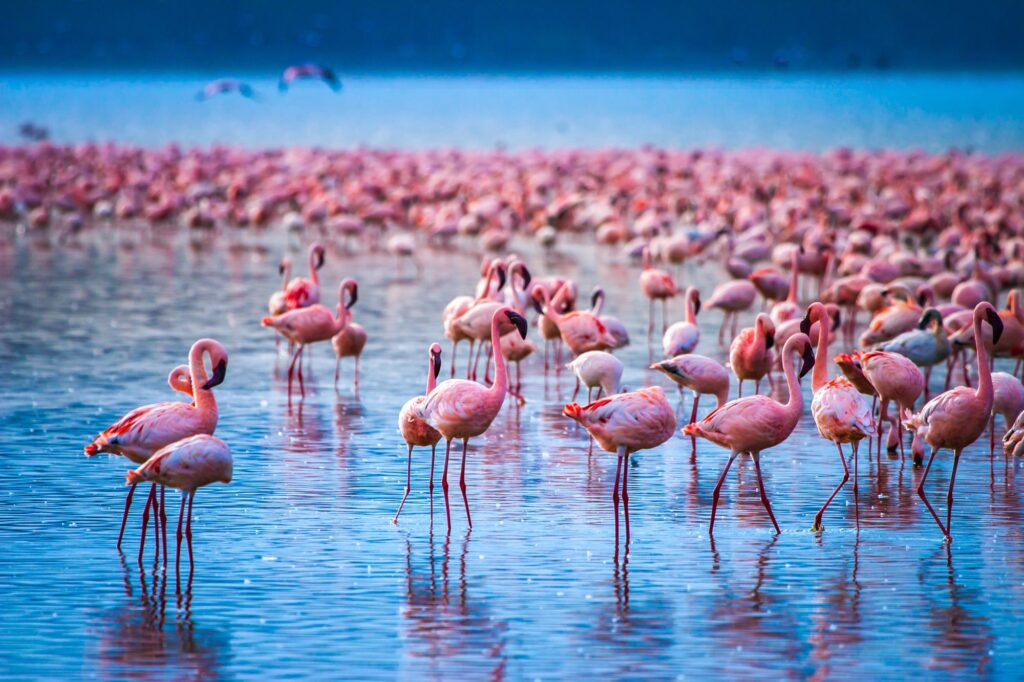
Can I See Flamingos in Lake Nakuru National Park?
Can I see flamingos in Lake Nakuru National Park? Absolutely. Lake Nakuru National Park is one of Kenya’s most iconic safari destinations, famous for its spectacular flamingo gatherings and remarkable biodiversity. This park provides a rare opportunity for travelers to witness vast flocks of flamingos painting the lake pink, creating breathtaking vistas unmatched anywhere else in the world. Freka African Holidays curates expertly guided Kenya Safaris that include Lake Nakuru, ensuring visitors enjoy a safe, informative, and immersive wildlife experience.
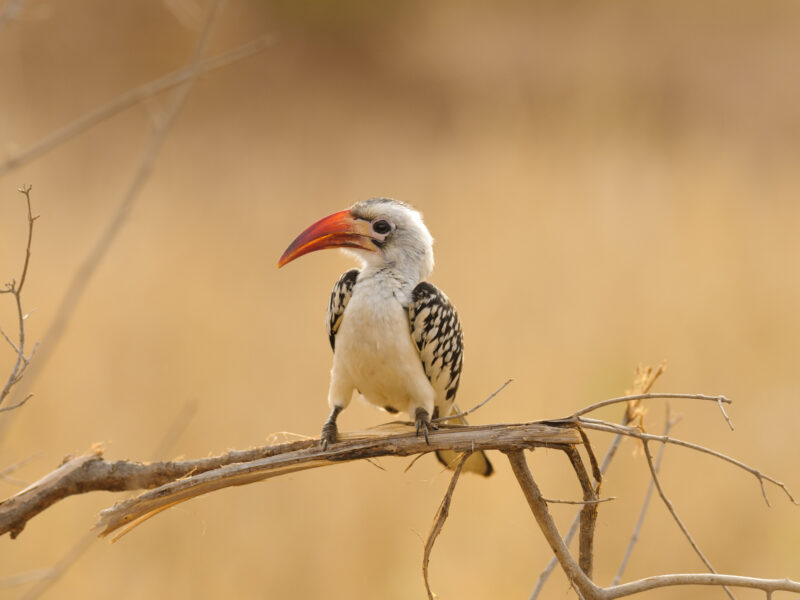
Apart from flamingos, the park is a sanctuary for rhinos, both black and white, offering visitors the chance to observe these endangered species up close. Other wildlife such as lions, leopards, giraffes, zebras, and buffaloes roam the surrounding savannah and woodlands, creating a diverse safari landscape. Bird enthusiasts on Kenya Birding Safaris can also find a remarkable variety of species, including pelicans, herons, cormorants, and kingfishers, complementing the flamingo spectacle.
Cultural immersion is another key aspect of Lake Nakuru safaris. Visitors can engage in Kenya Cultural Safaris by learning about local communities’ efforts in conservation, understanding traditional lifestyles, and appreciating their coexistence with wildlife. For travelers seeking extended adventures, Lake Nakuru National Park can be combined with Uganda Gorilla Trekking Safaris or Uganda Wildlife Safaris, offering a multi-country wildlife and cultural experience. Whether observing flamingos, tracking rhinos, or engaging with local communities, Lake Nakuru National Park embodies the essence of Kenya Best Safaris, providing unforgettable memories and exceptional photographic opportunities.
Flamingo Spectacle and Birdlife at Lake Nakuru
Can I see flamingos in Lake Nakuru National Park? Yes, and the sight is truly mesmerizing. Lake Nakuru attracts thousands of lesser and greater flamingos, feeding along its alkaline waters. The pink hue of their feathers, reflected in the sparkling lake, creates a surreal scene that draws photographers, birdwatchers, and safari enthusiasts alike. These flamingos feed on the lake’s abundant algae, which is critical to maintaining their vibrant coloration. Observing them in flight or at rest on the lake’s shore provides insight into their social behavior, feeding patterns, and flock dynamics.
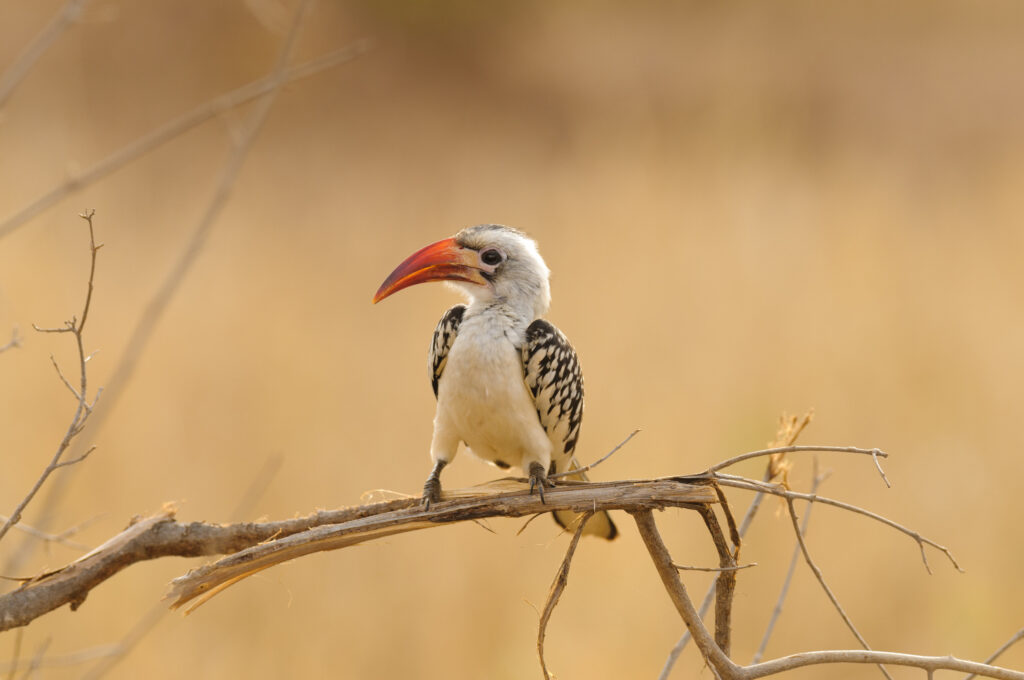
In addition to flamingos, Lake Nakuru National Park hosts a wide variety of birds, making it a prime destination for Kenya Birding Safaris. Species such as African fish eagles, black-winged stilts, pelicans, and herons are commonly observed. Early morning or late afternoon game drives are ideal for birdwatching, when light conditions and bird activity combine for optimal viewing and photography. Bird enthusiasts often pair these observations with broader wildlife safaris, seeing predators, rhinos, and antelopes within the park.
For extended wildlife experiences, Lake Nakuru can be combined with Uganda Birding Safaris or Uganda Gorilla Trekking Safaris, allowing visitors to explore both savannah and forest ecosystems. This cross-country approach enhances the overall safari experience, providing insight into diverse habitats, species, and conservation strategies across East Africa. Observing flamingos and other birds at Lake Nakuru exemplifies the delicate balance of Kenya’s ecosystems, while simultaneously offering an unforgettable visual spectacle for nature lovers and photographers.
Wildlife Diversity Beyond Flamingos
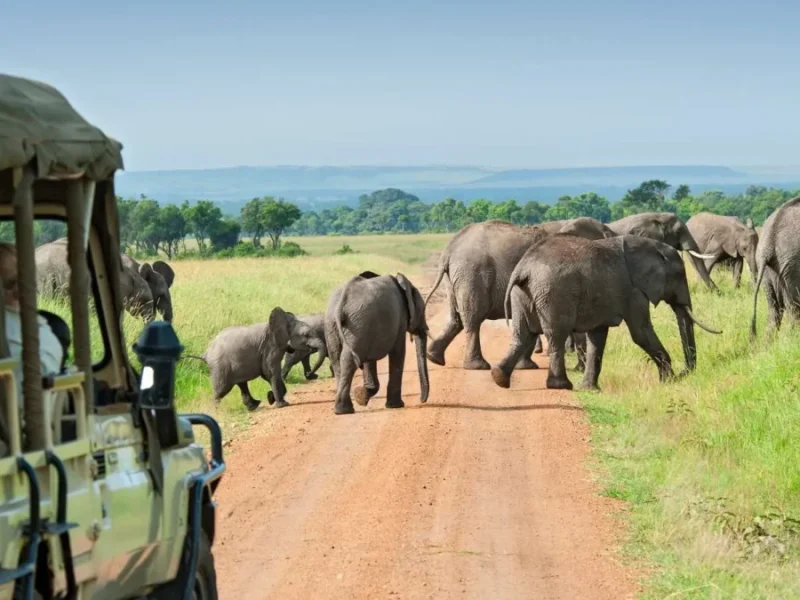
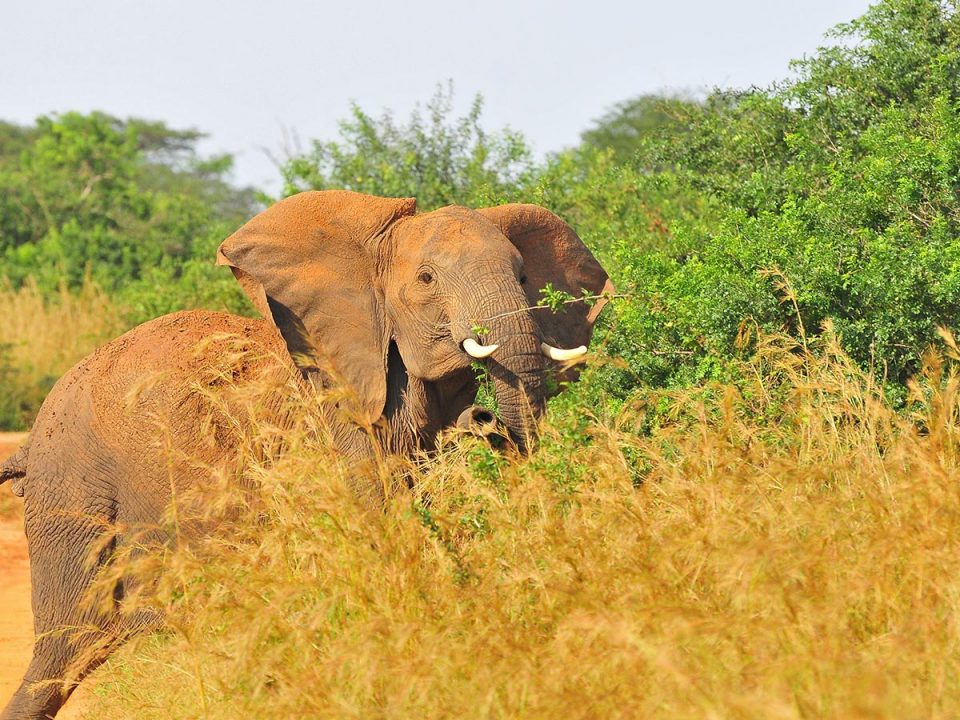
Can I see flamingos in Lake Nakuru National Park? Beyond the flamingo flocks, Lake Nakuru is home to some of Kenya’s most celebrated wildlife species. The park provides sanctuary for both black and white rhinos, which can be observed safely under the guidance of expert rangers. Lions and leopards patrol the surrounding woodlands, while giraffes, zebras, impalas, and buffaloes graze across the savannah plains. This diversity makes Lake Nakuru National Park a prime location for Kenya Wildlife Safaris, offering visitors a compact yet rich wildlife experience in a single day or multi-day itinerary.
Waterholes and marshes attract a variety of mammals and birds, creating abundant photographic opportunities. Guests can witness social interactions among herbivores, predator-prey dynamics, and the intricate ecosystem processes that sustain the park. Small mammals, such as baboons and warthogs, also contribute to the park’s biodiversity, adding texture to wildlife observation. Combining Lake Nakuru with cultural tours allows visitors to understand how human communities coexist with wildlife, enhancing the educational and experiential value of the safari.
Travelers seeking a broader adventure can integrate Lake Nakuru safaris with Uganda Gorilla Trekking Safaris, creating a diverse journey across savannahs and montane forests. Such itineraries provide a holistic East African wildlife experience, combining birdwatching, mammal tracking, and primate encounters. Lake Nakuru’s vibrant ecosystem exemplifies Kenya’s rich biodiversity, ensuring visitors encounter both spectacular flamingos and iconic terrestrial wildlife during their safari adventure.
Cultural Experiences Around Lake Nakuru
Can I see flamingos in Lake Nakuru National Park? Cultural immersion adds another layer to the safari experience. Communities surrounding Lake Nakuru engage in conservation programs, sustainable farming, and educational initiatives that protect wildlife habitats. Visitors participating in Kenya Cultural Safaris can interact with local groups, observe traditional practices, and understand how cultural values align with environmental stewardship. Maasai and Kikuyu communities share insights into pastoral lifestyles, traditional ceremonies, and the importance of coexisting with Kenya’s wildlife.
Guides often include visits to community projects, where travelers learn about anti-poaching measures, rhino protection programs, and local conservation efforts. These experiences enhance awareness of the challenges faced by wildlife and highlight practical solutions that integrate humans and nature. Combining cultural safaris with wildlife observation enriches visitor understanding, transforming a typical safari into a multidimensional learning adventure.
For extended itineraries, travelers can connect Lake Nakuru safaris with Uganda Gorilla Trekking Safaris, enabling cultural and ecological comparisons between Kenyan and Ugandan communities. This integration fosters a deep appreciation for East Africa’s cultural diversity and conservation strategies, while complementing wildlife experiences, including flamingo viewing, birdwatching, and rhino tracking. Engaging with local communities elevates the safari, offering both educational enrichment and meaningful cultural exchange.
Expectations for a Lake Nakuru Safari
Can I see flamingos in Lake Nakuru National Park? Visitors should expect a safari that combines vibrant birdlife, charismatic mammals, and scenic landscapes. Game drives are typically conducted during early mornings or late afternoons, when wildlife activity is highest and flamingos are most visible along the lakeshore. Expect to see rhinos grazing peacefully, lions resting in shaded areas, and herds of giraffes or zebras crossing the plains. Birds, including flamingos, pelicans, and fish eagles, offer continuous opportunities for observation and photography.
Visitors also gain educational insights into ecological relationships, animal behavior, and habitat management. Guides explain the park’s significance for conservation, including flamingo feeding patterns, rhino protection, and wetland preservation. Combining Lake Nakuru with Uganda Wildlife Safaris or Uganda Gorilla Trekking Safaris provides broader exposure to East African wildlife, offering contrasts between savannah plains and dense montane forests. Travelers can therefore expect both dynamic wildlife observation and enriching educational experiences during their visit.
Preparation involves comfortable attire, walking shoes, binoculars, sunscreen, and sufficient water. Visitors should be ready for moderate walking and game drives, while cameras and field guides enhance documentation and learning. Lake Nakuru’s safari experience balances excitement with accessibility, ensuring that guests of all experience levels enjoy an immersive, educational, and unforgettable visit.
Travel Logistics – How to Reach Lake Nakuru National Park
Can I see flamingos in Lake Nakuru National Park? Access to Lake Nakuru is convenient from Nairobi or other major Kenyan cities. The park is approximately 160 km northwest of Nairobi, with a drive of 3–4 hours along well-maintained roads. Air travel options are available, connecting Nairobi to Nakuru via local airstrips, which reduces transit time and enhances safari comfort.
Once inside the park, guided game drives navigate designated routes to maximize wildlife sightings, including flamingos along the lake, rhinos, lions, and other mammals. Combining Lake Nakuru with other destinations, such as Masai Mara or Amboseli, allows travelers to experience multiple ecosystems in a single itinerary. For extended East African adventures, flights or road transfers can connect Lake Nakuru safaris with Uganda Gorilla Trekking Safaris, creating a seamless multi-country wildlife journey. Efficient planning ensures visitors maximize their time observing flamingos and other wildlife while enjoying comfort, safety, and expert guidance throughout the safari.
What to Wear for a Lake Nakuru Safari
Can I see flamingos in Lake Nakuru National Park? Appropriate clothing enhances comfort and ensures safety while exploring the park. Neutral-colored, lightweight attire is recommended to blend with the environment and avoid disturbing wildlife. Layered clothing is ideal for early morning or late afternoon excursions when temperatures fluctuate. Sturdy walking shoes or boots, hats, sunglasses, and sunscreen are essential. Binoculars and cameras with zoom lenses help capture flamingos and other wildlife from a safe distance.
Travelers extending their adventure to Uganda Gorilla Trekking Safaris should also include moisture-resistant clothing, trekking shoes, and layered garments suitable for forest conditions. Packing thoughtfully ensures visitors enjoy a seamless transition from Lake Nakuru’s savannah and wetlands to Uganda’s montane forest ecosystems. Proper attire enhances comfort, mobility, and enjoyment, allowing guests to fully immerse themselves in Kenya’s best safari experiences.
When Is the Best Time to See Flamingos at Lake Nakuru?
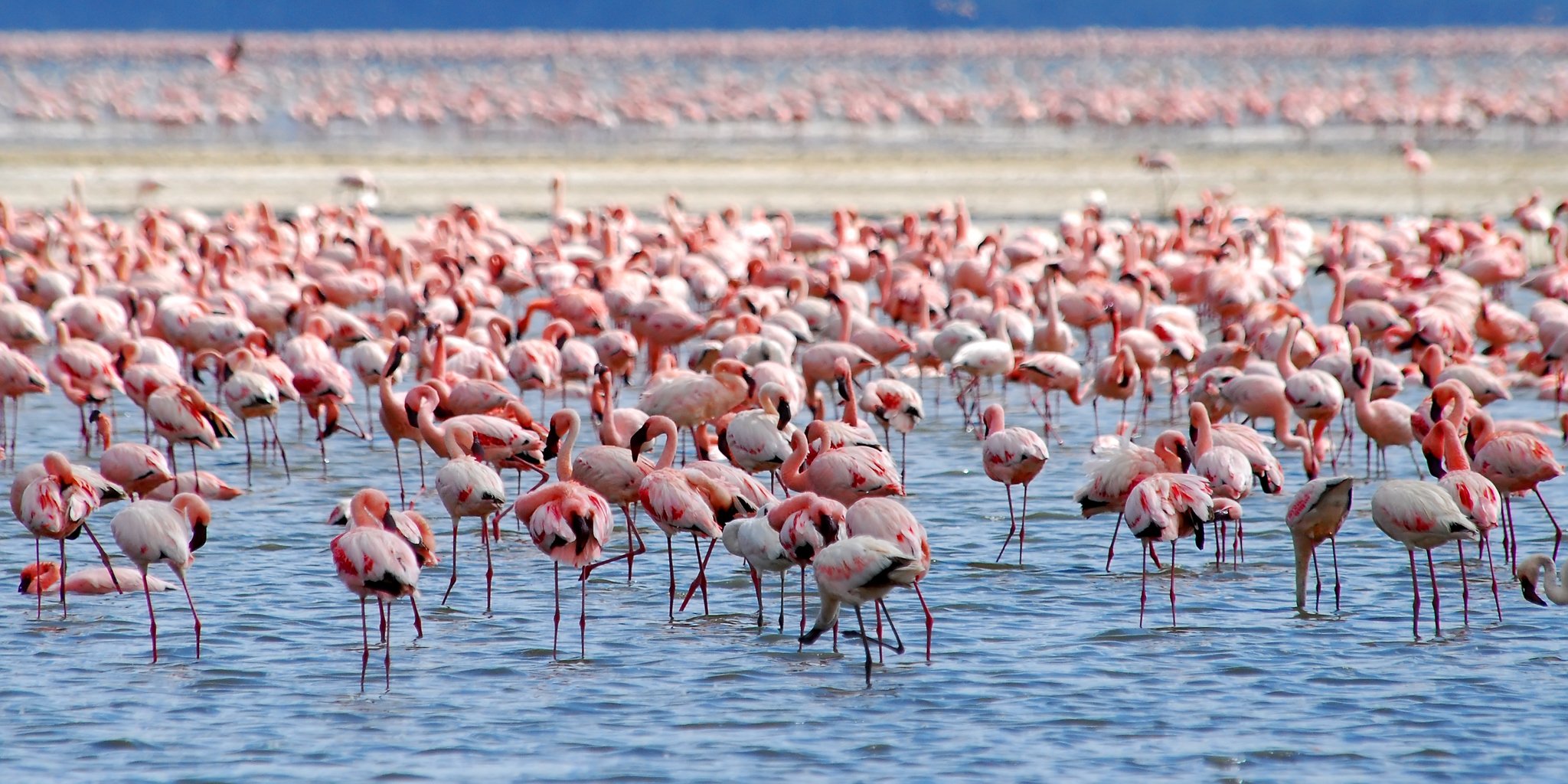
The peak flamingo season occurs during the wet season from March to May and the dry season from July to October, when lake levels and algae availability are optimal. During these periods, massive flamingo flocks create vibrant pink landscapes along the lake’s shoreline.
10 Days Kenya Big Five and Birds Safari
Conclusion – Flamingos and Wildlife Make Lake Nakuru a Must-Visit
Can I see flamingos in Lake Nakuru National Park? Absolutely. The park offers a combination of spectacular flamingo gatherings, diverse birdlife, charismatic mammals, and cultural experiences, making it one of Kenya’s premier safari destinations. Visitors encounter rhinos, lions, giraffes, and a variety of birds, all within a compact and accessible park. Combining Lake Nakuru with Uganda Gorilla Trekking Safaris or other Kenyan parks creates a multi-country safari adventure, offering unmatched diversity in wildlife and landscapes. Freka African Holidays ensures travelers enjoy a safe, informative, and unforgettable safari, highlighting Lake Nakuru as a cornerstone of Kenya Best Safaris and an ideal destination for both wildlife enthusiasts and cultural explorers.