Are Student Group Safaris Possible in Nairobi National Park?
July 20, 2026
Are Mountain Gorillas Friendly or Aggressive?
July 21, 2026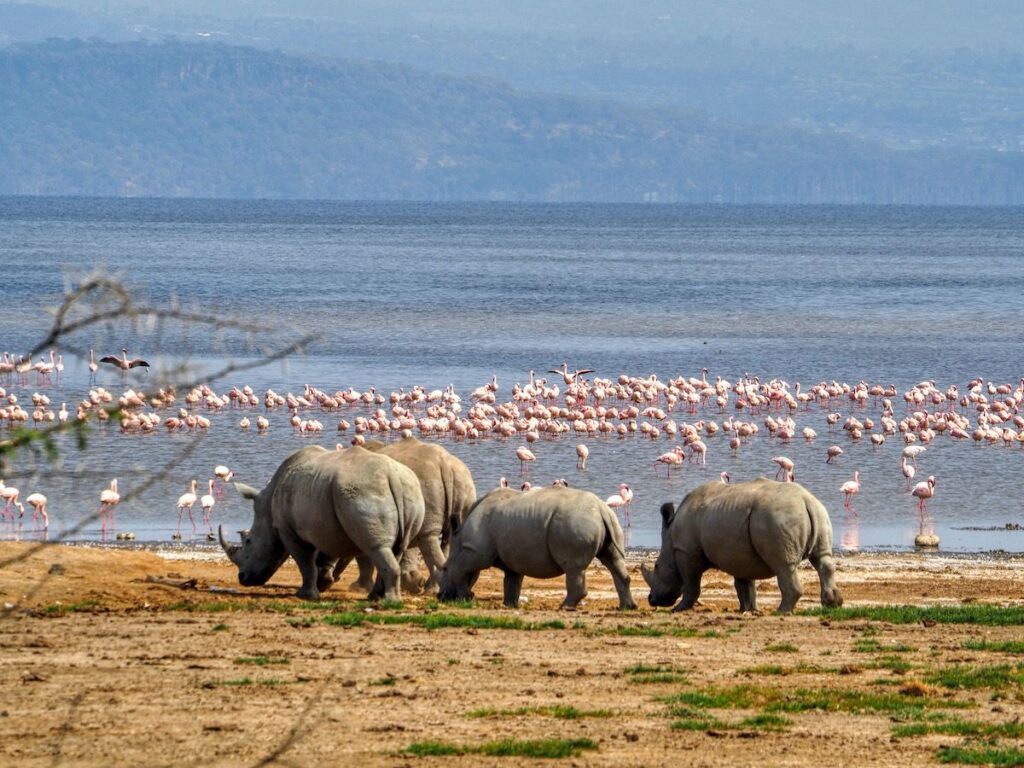
Are Rhinos Easy to Spot in Lake Nakuru?
Are rhinos easy to spot in Lake Nakuru? This is a question that frequently arises among wildlife enthusiasts seeking the best Kenya Wildlife Safaris. Lake Nakuru National Park, located in Kenya’s Great Rift Valley, is a haven for rhinos, flamingos, and a diversity of wildlife, offering visitors an intimate and unforgettable African safari experience. Unlike larger parks, Nakuru’s relatively compact size allows for concentrated wildlife viewing, making rhino sightings particularly accessible for first-time visitors and seasoned safari-goers alike.
Discovering Lake Nakuru and Its Rhinos
Lake Nakuru is famous for its population of both black and white rhinos, which are closely monitored through conservation programs. Walking or game-drive safaris guided by experienced professionals increase the chances of spotting these majestic creatures while providing safety, education, and expert insight into their behavior and habitat. Beyond rhinos, the park hosts lions, leopards, Rothschild giraffes, waterbucks, and over 450 bird species, making it an ideal destination for Kenya Birding Safaris. The park’s flamingo population, though variable, creates iconic pink landscapes along the lake shores during the wet season, offering remarkable photographic opportunities.
Professional safari operators, such as Freka African Holidays, ensure that visitors experience more than just wildlife spotting. Cultural immersion is part of the journey, including interactions with local communities and learning about conservation efforts that preserve Kenya’s biodiversity. Visitors can also integrate Lake Nakuru safaris with Uganda Gorilla Trekking Safaris, creating a multi-destination East African adventure that combines savannah wildlife, birding, and tropical forest primates. Early planning is recommended to secure accommodations, guided tours, and specialized activities that enhance the overall safari experience.
Why Rhino Sightings Are Accessible in Lake Nakuru
Conservation Efforts and Wildlife Concentration
Are rhinos easy to spot in Lake Nakuru? Lake Nakuru’s reputation as a rhino sanctuary is largely due to targeted conservation initiatives. Both black and white rhinos have been reintroduced and protected in the park through anti-poaching patrols, monitoring programs, and habitat management. These efforts ensure that the rhinos are concentrated in accessible areas, allowing visitors to observe them safely during guided game drives.
The park’s manageable size, approximately 188 square kilometers, means that wildlife, including rhinos, tends to be more observable than in vast savannahs. Guides use knowledge of rhino behavior, water points, and feeding areas to lead visitors to sightings efficiently. Rhino tracking is often combined with other wildlife observation, allowing Kenya Wildlife Safaris participants to see lions, hyenas, giraffes, and zebras in a single excursion. Birding enthusiasts benefit from the park’s numerous wetlands and forests, where over 450 bird species reside, including pelicans, cormorants, and flamingos, enhancing Kenya Birding Safaris experiences.
Cultural narratives enhance the safari as guides share the Maasai community’s traditional knowledge, the role of rhinos in folklore, and conservation partnerships that sustain local livelihoods. By booking early, travellers can secure the best guides, lodges, and safari routes, ensuring high success rates for rhino sightings while participating in responsible tourism practices.
Expectations for Lake Nakuru Safaris
What to Anticipate on a Rhino-Focused Safari
Are rhinos easy to spot in Lake Nakuru? Travellers should expect an organized and guided experience that balances wildlife observation, photography, and cultural immersion. Game drives typically follow predictable paths around the lake and forested areas, where rhinos feed and move between water points. Early morning and late afternoon are ideal times for sightings, as rhinos are more active in cooler temperatures. Guides provide detailed information on species identification, behavior, and conservation status, ensuring that even first-time visitors gain expert knowledge during the safari.
In addition to rhino encounters, participants can enjoy Kenya Birding Safaris, spotting waterfowl, raptors, and resident bird species. Photographers and wildlife enthusiasts benefit from the close proximity of animals due to the park’s dense ecosystem. Travellers can also integrate cultural activities, including Maasai village visits, learning about traditional practices, beadwork, and sustainable land use. This combination ensures a well-rounded safari experience that merges wildlife, birding, and cultural education.
Visitors can safely anticipate seeing multiple rhinos per excursion, along with other megafauna. Walking safaris are limited but possible in designated areas under supervision, providing an immersive experience for those who wish to engage with the environment on a more intimate level. Expectations also include guidance on eco-friendly behaviour, ensuring that wildlife encounters are safe, sustainable, and minimally disruptive to the park’s natural balance.
How to Reach Lake Nakuru for Rhino Safaris
Travel Logistics and Accessibility
Are rhinos easy to spot in Lake Nakuru? Lake Nakuru National Park is accessible by road and air. Travellers flying into Nairobi can either drive approximately three to four hours through scenic routes or take domestic flights to nearby Nakuru town, followed by a short transfer to the park. Early booking of transfers, accommodations, and guided tours is recommended, especially during peak periods coinciding with flamingo influxes or migratory seasons.
Professional safari operators, such as Freka African Holidays, coordinate travel logistics, park entry permits, and game-drive schedules. These arrangements ensure that first-time travellers and experienced safari-goers alike enjoy smooth transitions, safe wildlife encounters, and personalized experiences. Combining Lake Nakuru safaris with other destinations such as the Maasai Mara for the Kenya Great Migration or Uganda for Gorilla Trekking Safaris is feasible with well-planned itineraries, offering a diverse East African adventure. Early travel preparation also allows visitors to adhere to safety protocols, acquire appropriate safari permits, and confirm optimal observation times for rhinos and other wildlife.
What to Wear on a Lake Nakuru Safari
Safari Attire for Comfort and Safety
Are rhinos easy to spot in Lake Nakuru? Dressing appropriately is essential for comfort, safety, and wildlife observation. Neutral-colored clothing in khaki, brown, or green reduces disturbance to animals while providing protection from the sun. Comfortable walking shoes or boots are recommended for traversing uneven terrain, while hats, sunglasses, and sunscreen protect from the equatorial sun. Binoculars and cameras enhance Kenya Birding Safaris experiences, allowing detailed observation of rhinos, flamingos, and birdlife.
Early morning and late afternoon game drives may require layering to accommodate cooler temperatures. Guides often advise bringing water, snacks, and a lightweight backpack to hold essential items. Travellers combining Kenya Wildlife Safaris with multi-destination tours, including Uganda Gorilla Trekking, should also pack for forested, wet, and rugged terrain. Proper preparation ensures that visitors remain focused on wildlife observation, photography, and educational experiences rather than comfort or safety concerns.
Where to Go: Prime Rhino Observation Areas
Best Zones Within Lake Nakuru National Park
Are rhinos easy to spot in Lake Nakuru? Certain areas of the park are renowned for consistent rhino sightings. The Makalia Forest, Baboon Cliff, and Lake Nakuru shoreline are particularly productive for rhino observation. Open plains and forest edges allow safe viewing and photography opportunities without disturbing the animals. Guides often lead visitors along routes optimized for spotting rhinos feeding, moving, or interacting with other species.
Birding enthusiasts benefit from wetlands and papyrus beds, providing a rich habitat for flamingos, cormorants, pelicans, and other waterbirds. Incorporating guided Kenya Birding Safaris into rhino-focused excursions maximizes wildlife diversity and overall safari satisfaction. Cultural education, such as learning about local Maasai conservation practices and folklore surrounding rhinos, further enriches the experience, merging natural observation with heritage insights. Early booking ensures access to prime observation points, knowledgeable guides, and flexible itineraries to enhance rhino-spotting success.
Conclusion: Rhino Safaris at Lake Nakuru Are Accessible and Rewarding
Are rhinos easy to spot in Lake Nakuru? Absolutely. With dedicated conservation efforts, compact park geography, and professional guided tours, rhino sightings are highly achievable for first-time safari-goers and seasoned travellers. Lake Nakuru offers a unique combination of wildlife observation, birding, and cultural immersion, making it a prime destination for Kenya Wildlife Safaris, Kenya Birding Safaris, and Kenya Cultural Safaris.
Combining Lake Nakuru rhino safaris with destinations such as the Maasai Mara or Uganda Gorilla Trekking enhances the East African adventure, providing diverse ecosystems, wildlife, and cultural experiences. Freka African Holidays ensures expert guidance, early booking options, and tailored itineraries that guarantee safety, comfort, and memorable encounters with Kenya’s natural and cultural treasures. Early planning allows travellers to experience rhinos, birds, and cultural heritage at their best, positioning Lake Nakuru as a must-visit destination for responsible and immersive safaris.