What Rare Bird Species Can Be Seen in Uganda?
September 8, 2026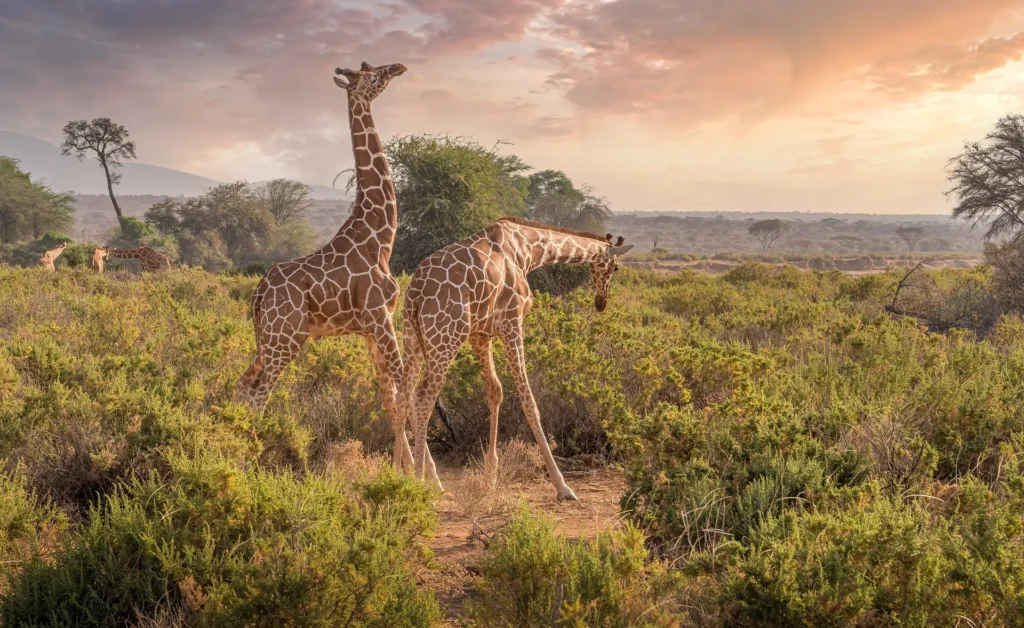
How Conservation Tourism Benefits Future Generations?
How Conservation Tourism Benefits Future Generations? This question matters as Africa’s tourism industry continues to grow. Conservation tourism connects travel with wildlife protection, community development, and environmental responsibility. It creates meaningful experiences while supporting destinations for the long term.
Across Africa, protected areas support remarkable wildlife and diverse ecosystems. These places also provide livelihoods for communities living near conservation areas.
Uganda, Kenya, Rwanda, and Tanzania offer exceptional conservation tourism experiences. Each destination combines wildlife encounters with cultural discovery and nature-based adventure.
For travelers, conservation tourism creates deeper connections with Africa. For communities, responsible tourism can create employment and support local enterprises.
 Therefore, How Conservation Tourism Benefits Future Generations extends far beyond protecting animals. It involves protecting ecosystems, supporting people, preserving cultures, and educating travelers.
At Freka African Holidays, we believe responsible travel should create lasting value. Our safari planning approach connects memorable experiences with responsible tourism principles.
Through carefully planned Uganda safaris, travelers can explore wildlife while supporting conservation efforts. Similarly, Kenya safari experiences can connect visitors with iconic landscapes and local communities.
How Conservation Tourism Benefits Future Generations Through Wildlife Protection
Protecting Wildlife Habitats
Conservation tourism provides strong reasons to protect natural habitats. Protected ecosystems offer safe spaces for wildlife and maintain ecological balance.
Tourism revenue can support park management, conservation programs, and community initiatives. Consequently, responsible tourism can contribute to long-term wildlife protection.
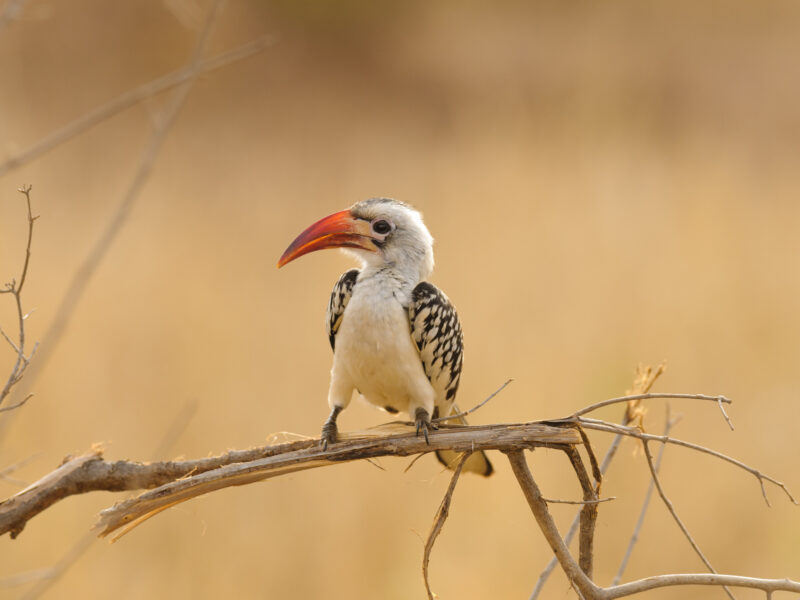
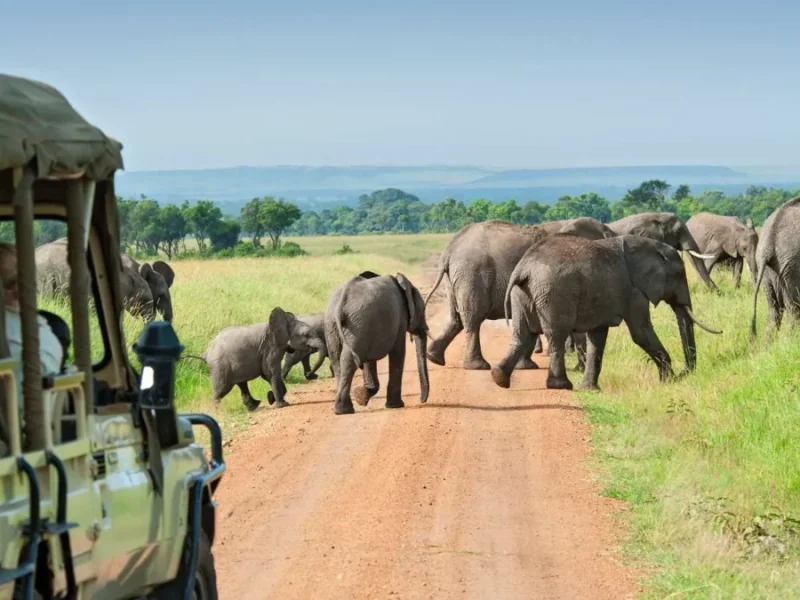
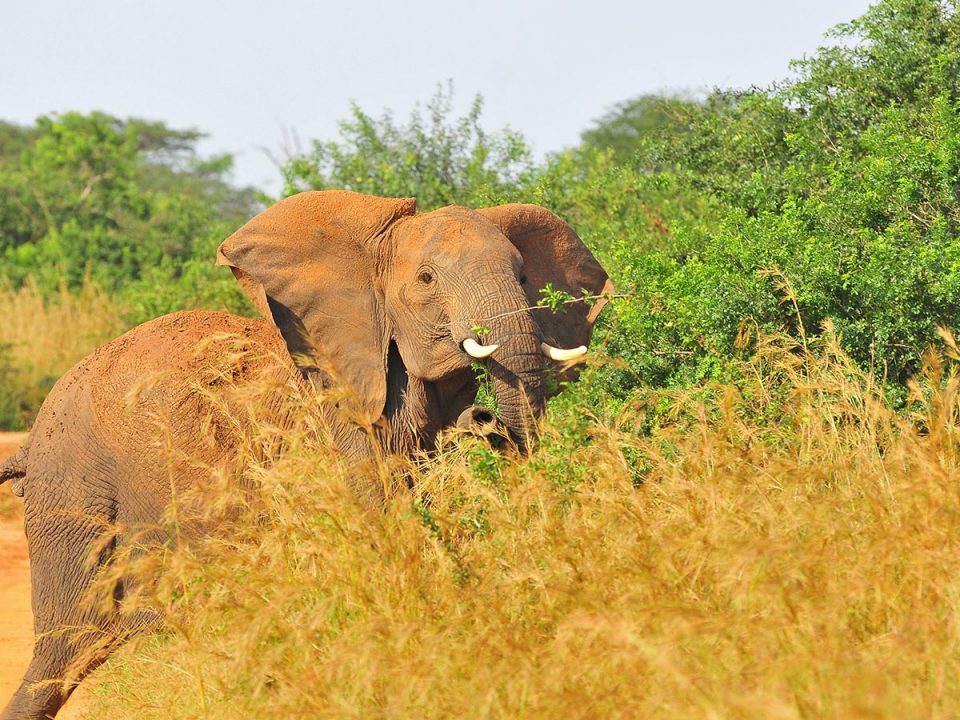
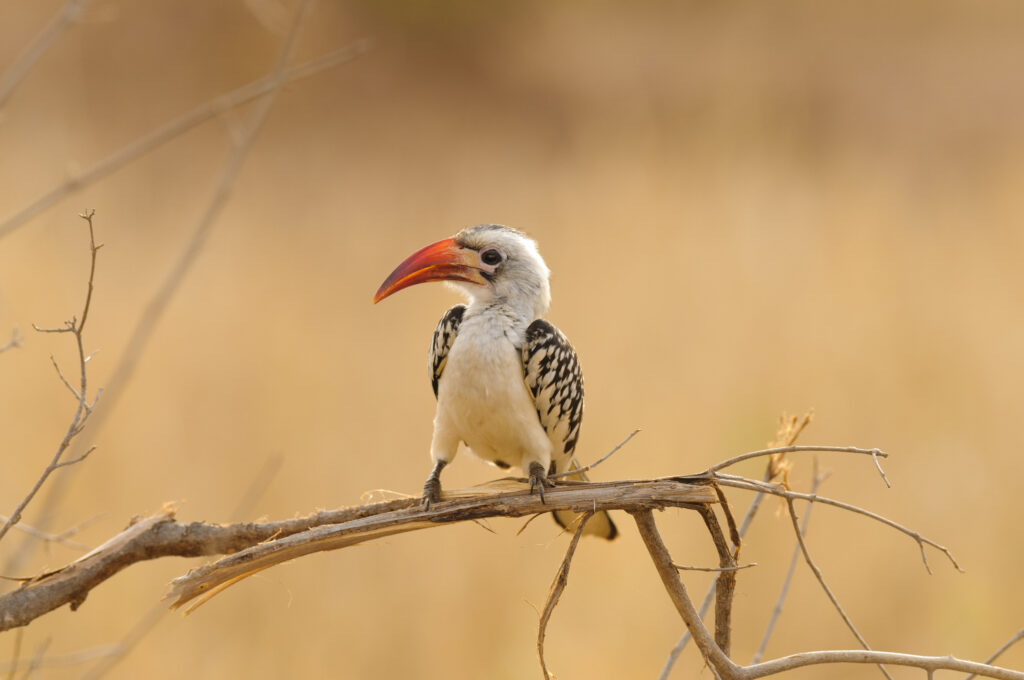
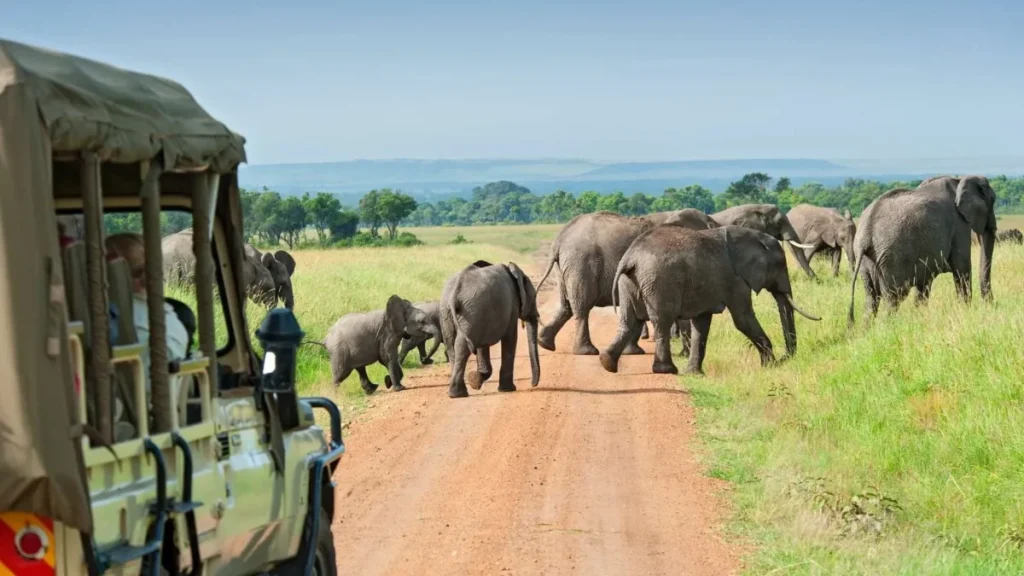
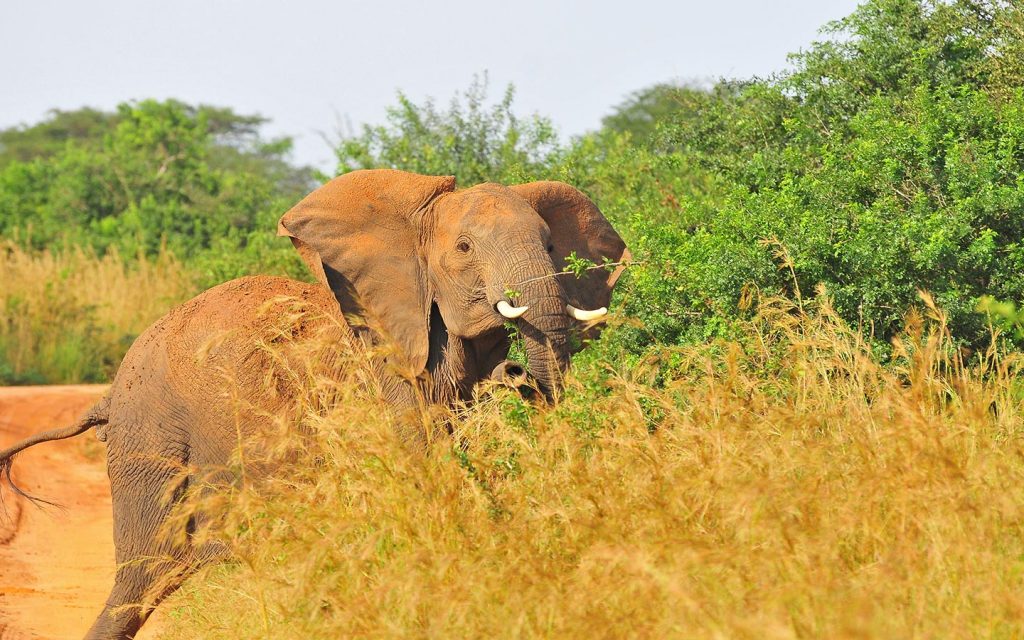
Uganda offers diverse habitats for elephants, lions, chimpanzees, gorillas, hippos, buffaloes, and numerous bird species.
Rwanda safaris provide opportunities to explore forest ecosystems and experience remarkable primate conservation. Tanzania safaris also showcase expansive wilderness areas with exceptional wildlife diversity.
Meanwhile, Kenya safari destinations provide unforgettable opportunities to experience African savannah ecosystems.
These experiences help travelers understand why conservation matters. Once visitors appreciate wildlife, they often develop stronger interest in protecting natural environments.
That connection explains How Conservation Tourism Benefits Future Generations.
Supporting Communities Through Sustainable Tourism
Creating Local Employment
Tourism creates employment opportunities within many African communities. Safari guides, drivers, lodge staff, artisans, conservation workers, and hospitality teams all contribute to the industry.
Local employment can strengthen household incomes and improve economic stability. Moreover, tourism creates opportunities for young people to develop professional skills.
Community involvement also strengthens conservation awareness. People gain greater incentives to protect wildlife when tourism creates tangible local benefits.
Supporting Local Businesses
Responsible travelers can support small businesses during their journeys. Local restaurants, craft producers, cultural groups, transport providers, and community enterprises can benefit.
Travelers can purchase locally made crafts and use community-based services where appropriate.
Therefore, tourism spending can circulate within local economies. This approach strengthens the connection between conservation and community development.
Cultural Experiences Around Your Safari Lodge
A safari lodge can serve as a gateway to local culture. Travelers can explore communities and traditions beyond wildlife activities.
Village and Community Visits
Community visits can introduce travelers to local lifestyles and traditional livelihoods. Guests can learn about farming, fishing, crafts, food, and family life.
Local guides can create respectful and educational experiences. Travelers should always follow community guidelines and respect personal privacy.
Traditional Food Experiences
Food offers a direct connection to culture. Travelers can enjoy locally prepared meals featuring regional ingredients and traditional cooking techniques.
In Uganda, visitors can experience dishes such as matoke, cassava, sweet potatoes, groundnut sauce, and locally prepared meats.
These culinary experiences add depth to Uganda adventure safaris. They also create opportunities for travelers to understand local food traditions.
Music and Dance
Traditional performances can bring communities and travelers together. Music, dance, drums, and storytelling provide vibrant cultural experiences.
Guests can enjoy performances while learning about their cultural significance. Selected activities may also allow respectful visitor participation.
Artisan and Craft Experiences
Many communities maintain strong traditions of craftsmanship. Travelers can explore basket weaving, pottery, beadwork, carving, and textile production.
Purchasing directly from artisans can support local incomes. It also gives travelers meaningful souvenirs connected to the destination.
Community Nature Walks
Local guides can lead nature walks near selected safari lodges. These walks combine environmental education with cultural knowledge.
Visitors can learn about medicinal plants, farming practices, traditional resource use, and local conservation efforts.
How Conservation Tourism Benefits Future Generations Through Education
Inspiring Conservation Awareness
Travel creates powerful opportunities for environmental education. A guided wildlife encounter can teach visitors about ecosystems and animal behavior.
Children and young travelers can gain particularly valuable lessons through nature experiences. Such experiences can inspire future conservation leaders.
Moreover, responsible safari operators can explain conservation challenges in accessible ways. Travelers can then make better decisions during future journeys.
Education also extends beyond travelers. Tourism revenue can support community awareness programs and conservation education initiatives.
Consequently, How Conservation Tourism Benefits Future Generations includes creating informed citizens who understand environmental responsibility.
Preserving Africa’s Natural Heritage
Africa’s landscapes form an important part of the world’s natural heritage. Forests, wetlands, rivers, mountains, and savannahs support extraordinary biodiversity.
Conservation tourism encourages continued investment in these environments. Healthy ecosystems also provide benefits beyond tourism.
Forests support water systems and biodiversity. Wetlands provide important ecological functions. Grasslands support wildlife and livestock systems.
Protecting these environments therefore benefits both people and animals.
Uganda adventure safaris can introduce travelers to forests, mountains, rivers, lakes, and savannah landscapes. Similar opportunities exist across Kenya, Rwanda, and Tanzania.
For this reason, How Conservation Tourism Benefits Future Generations reaches beyond tourism itself.
Responsible Travel and Visitor Choices
Travelers influence the future of tourism through their choices. Selecting responsible operators can support better conservation and community outcomes.
Visitors can also reduce environmental impacts during their journeys. Simple actions can make a meaningful difference.
Travelers should respect wildlife guidelines and avoid disturbing animals. They should also respect local cultures and avoid damaging natural environments.
Reducing unnecessary plastic use can further support responsible travel. Guests can also support locally owned businesses and community initiatives.
Furthermore, travelers should choose authentic experiences over activities that exploit wildlife or communities.
At Freka African Holidays, we prioritize thoughtful travel planning. Our approach considers wildlife, communities, culture, comfort, and long-term destination sustainability.
How Conservation Tourism Benefits Future Generations Through Experiential Safaris
Modern travelers increasingly seek meaningful experiences. They want more than photographs and sightseeing opportunities.
Experiential travel creates deeper connections with destinations. Wildlife encounters, cultural activities, guided walks, and community visits can transform ordinary holidays.
Uganda safaris provide strong opportunities for this approach. Visitors can combine game drives with cultural activities and nature experiences.
Uganda adventure safaris can also include hiking, boat trips, forest walks, primate tracking, and other outdoor activities.
Kenya safari journeys can combine wildlife viewing with community and conservation experiences. Rwanda safaris can connect forest exploration with cultural discovery.
Tanzania safaris can offer wilderness adventures alongside community-based experiences.
Therefore, How Conservation Tourism Benefits Future Generations becomes visible through meaningful travel.
Planning a Conservation-Focused Safari
A responsible safari begins with thoughtful planning. Travelers should consider destinations, accommodation, activities, transportation, and conservation practices.
The right lodge can improve both comfort and cultural access. Location also matters because it determines which experiences travelers can enjoy.
A well-designed itinerary should allow enough time for wildlife viewing and cultural activities. Rushing between destinations can reduce the quality of the experience.
Professional local expertise can also improve travel decisions. Experienced operators understand regional conditions, activity logistics, and destination characteristics.
Freka African Holidays focuses on creating practical and meaningful African travel experiences. Our knowledge helps travelers explore destinations while making responsible choices.
Safari Inclusions
- Accommodation
- Meals as stated in the itinerary
- Professional safari guide
- Private safari vehicle
- Game drives
- Park entrance fees
- Cultural experiences
- Community visits
- Nature walks
- Boat safari where applicable
- Drinking water
- Airport transfers where applicable
- Government taxes
Safari Exclusions
- International flights
- Visa fees
- Travel insurance
- Personal expenses
- Alcoholic beverages
- Laundry services
- Tips
- Optional activities
- Personal purchases
- Additional accommodation
- Travel documentation
How Conservation Tourism Benefits Future Generations Through Community Conservation
Community conservation creates an important link between people and protected areas. Local communities often live close to wildlife habitats and natural resources.
Tourism can provide opportunities that encourage conservation participation. Employment, community projects, and local enterprise development can strengthen this relationship.
When communities benefit from responsible tourism, conservation gains stronger local support.
However, successful conservation requires fairness and long-term commitment. Tourism businesses should respect communities and create meaningful partnerships.
Travelers also play a role. Their spending choices can support businesses that value conservation and community development.
This makes How Conservation Tourism Benefits Future Generations a shared responsibility.
Building a Sustainable Future for African Tourism
The future of African tourism depends on responsible decisions today. Conservation, community development, and tourism must work together.
Wildlife cannot thrive without healthy habitats. Communities cannot benefit without meaningful economic opportunities. Tourism cannot succeed without protecting the resources that attract visitors.
Therefore, sustainable tourism requires balance.
Freka African Holidays promotes travel that values nature, culture, communities, and authentic experiences. We believe every safari should create memories while respecting the destination.
Whether you choose Uganda safaris, a Kenya safari, Rwanda safaris, Tanzania safaris, or Uganda adventure safaris, responsible choices matter.
Travelers can explore Africa while supporting a stronger future for its people and wildlife.
How Conservation Tourism Benefits Future Generations: The Freka African Holidays Approach
How Conservation Tourism Benefits Future Generations remains central to responsible African tourism.
Conservation tourism protects wildlife and supports natural habitats. It also creates employment and strengthens local enterprises.
Cultural tourism preserves traditions while creating meaningful visitor experiences. Education helps travelers understand their responsibility toward nature and communities.
At Freka African Holidays, we combine these principles with professional safari planning. Our goal involves creating journeys that deliver authentic experiences and responsible value.
Africa offers extraordinary opportunities for discovery. Yet, protecting those opportunities requires collective action.
Travelers can help by choosing responsible operators. Communities can participate through sustainable tourism enterprises. Tourism companies can promote ethical practices and conservation awareness.
Together, these efforts can protect Africa’s natural and cultural heritage.
How Conservation Tourism Benefits Future Generations?
How Conservation Tourism Benefits Future Generations becomes clear through every responsible travel decision.
Conservation protects wildlife. Sustainable tourism supports communities. Cultural experiences preserve heritage. Environmental education creates awareness.
Most importantly, responsible tourism can help ensure future generations experience Africa’s extraordinary beauty.
Your safari can therefore become more than a holiday. It can support conservation, celebrate culture, and contribute to local livelihoods. At Freka African Holidays, we invite you to travel with purpose.