How many people track together?
August 20, 2026
Can I take photographs during Chimpanzee tracking Safaris?
August 20, 2026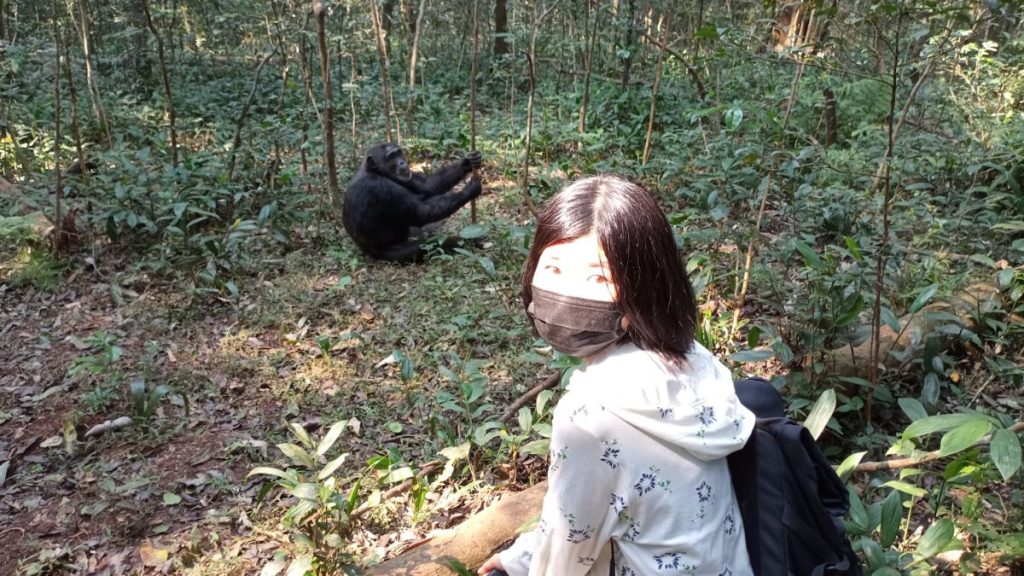
How close can visitors get to chimpanzees?
Understanding Visitor Encounters and How Close You Can Get to Chimpanzees
How close can visitors get to chimpanzees?, Chimpanzee Safari Experiences provide travelers with a rare opportunity to enter Africa’s magnificent forests and discover the fascinating world of one of the most intelligent wildlife species on Earth. Unlike traditional African safaris that mainly focus on large mammals across open grasslands, chimpanzee tracking introduces visitors to the hidden beauty of tropical rainforests, where every trail reveals unique wildlife, ancient trees, and complex ecosystems. The adventure combines exploration, education, photography, and conservation, allowing travelers to create meaningful connections with nature.
Chimpanzees are among the closest living relatives of humans, sharing many similarities in communication, emotions, social relationships, and family structures. Watching these remarkable primates in their natural environment is an unforgettable experience because visitors can observe them performing natural behaviors such as feeding, grooming, playing, caring for their young, and communicating with members of their communities.
East Africa has become one of the world’s leading destinations for chimpanzee tourism, with Uganda and Rwanda offering exceptional opportunities for wildlife enthusiasts. Travelers interested in Uganda Safaris can explore some of Africa’s most famous chimpanzee habitats, while those choosing Rwanda Safaris can enjoy rainforest adventures surrounded by stunning landscapes and excellent conservation programs.
One of the most common questions travelers ask before booking a chimpanzee safari is how close they can get to these incredible animals. Understanding viewing distances, trekking regulations, safety guidelines, and responsible tourism practices helps visitors prepare for an ethical and unforgettable wildlife encounter.
How Close Can Visitors Get to Chimpanzees During a Safari?
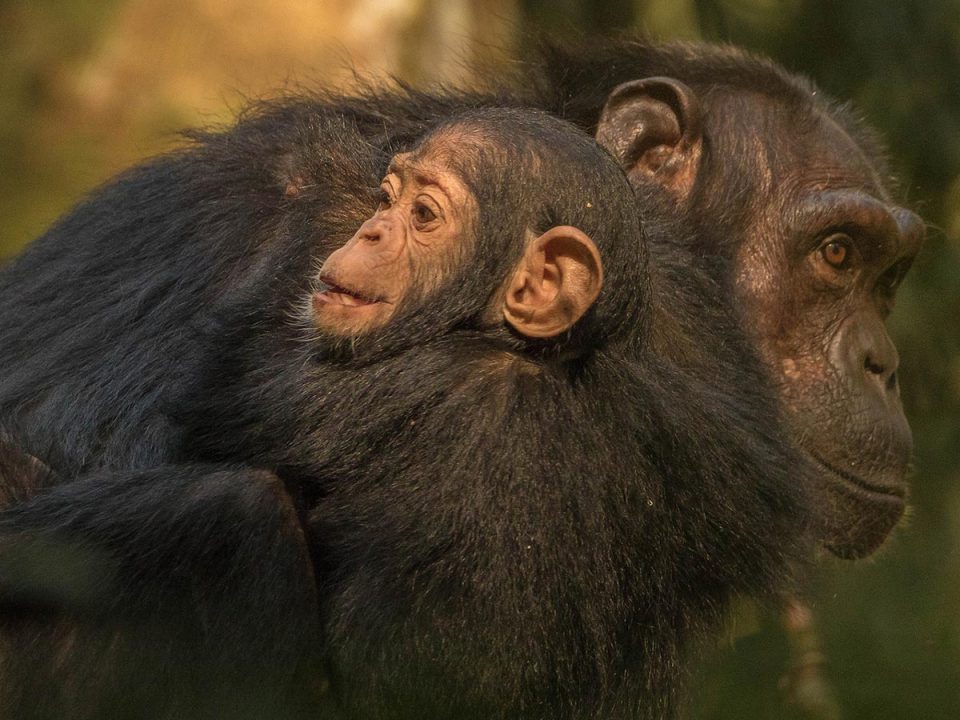
Visitors on chimpanzee tracking safaris can get relatively close to chimpanzees, but the exact distance depends on the location of the animals, forest conditions, and conservation regulations. Unlike animals in captivity, chimpanzees in the wild move freely through their natural habitats, meaning encounters happen naturally rather than being arranged or guaranteed.
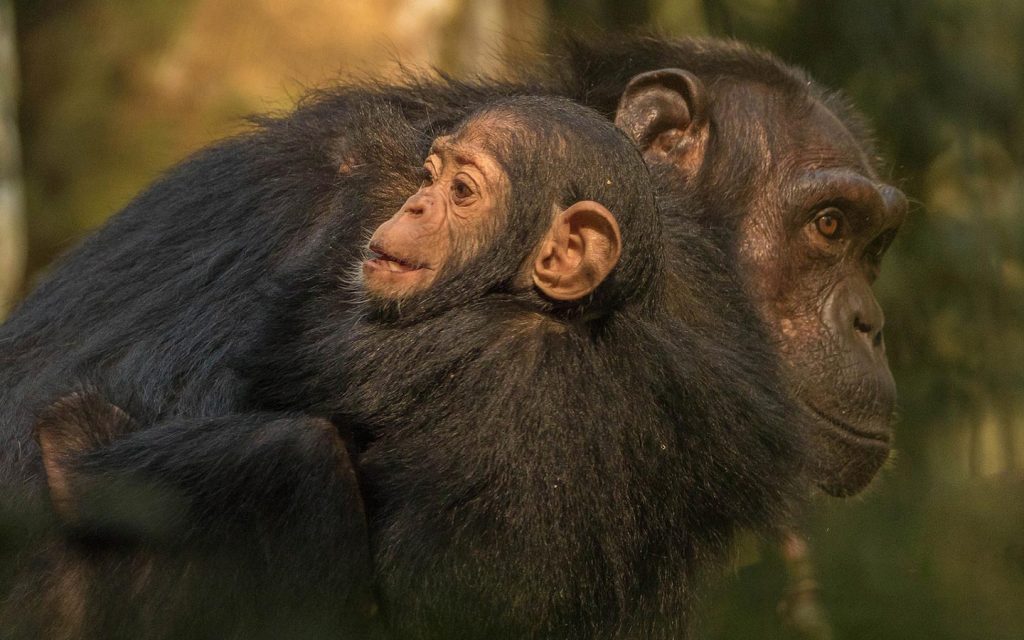
In most chimpanzee trekking destinations, visitors are required to maintain a respectful distance from the animals. This distance is designed to protect both chimpanzees and humans by reducing stress on wildlife and minimizing the possibility of disease transmission. Although travelers may be close enough to clearly observe chimpanzee behaviors and take photographs, the experience always prioritizes the well-being of the animals.
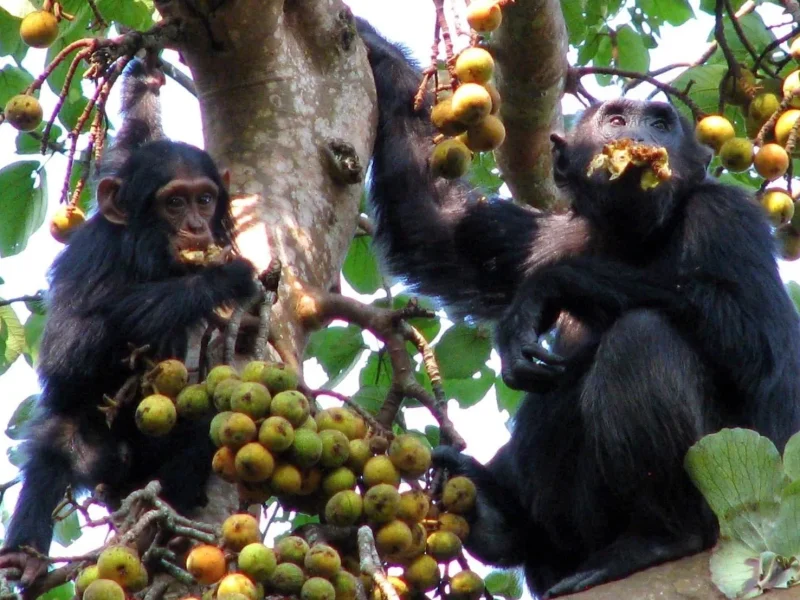
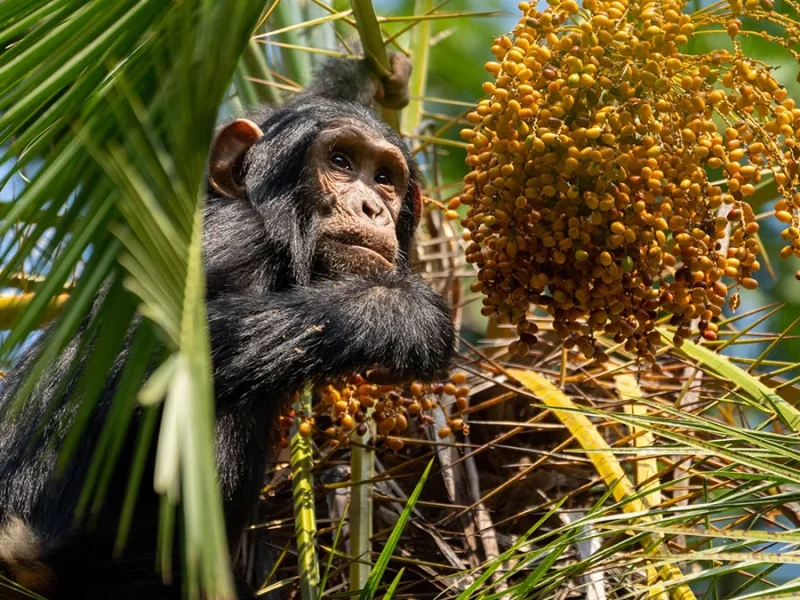
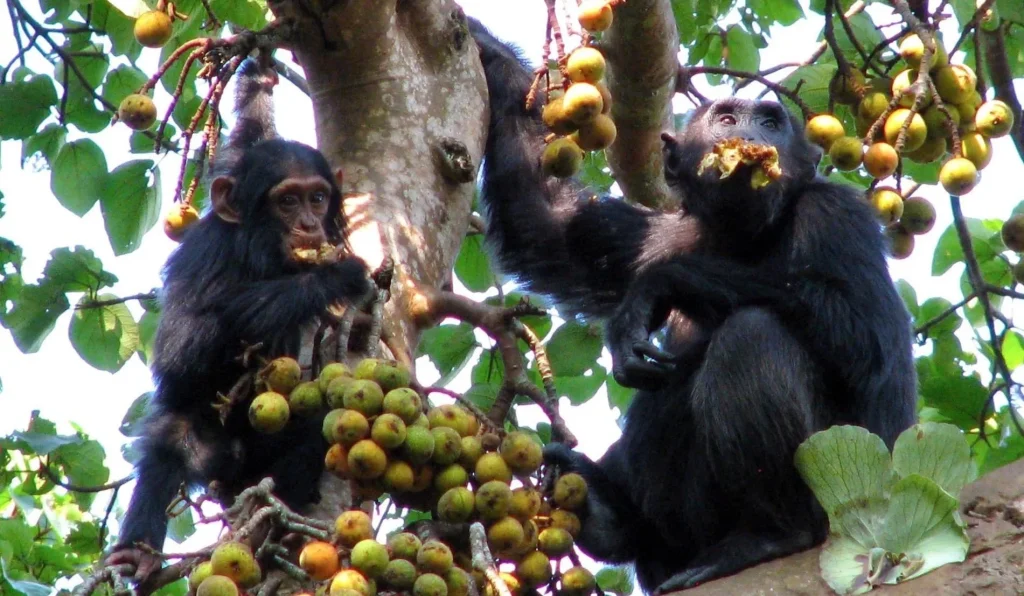
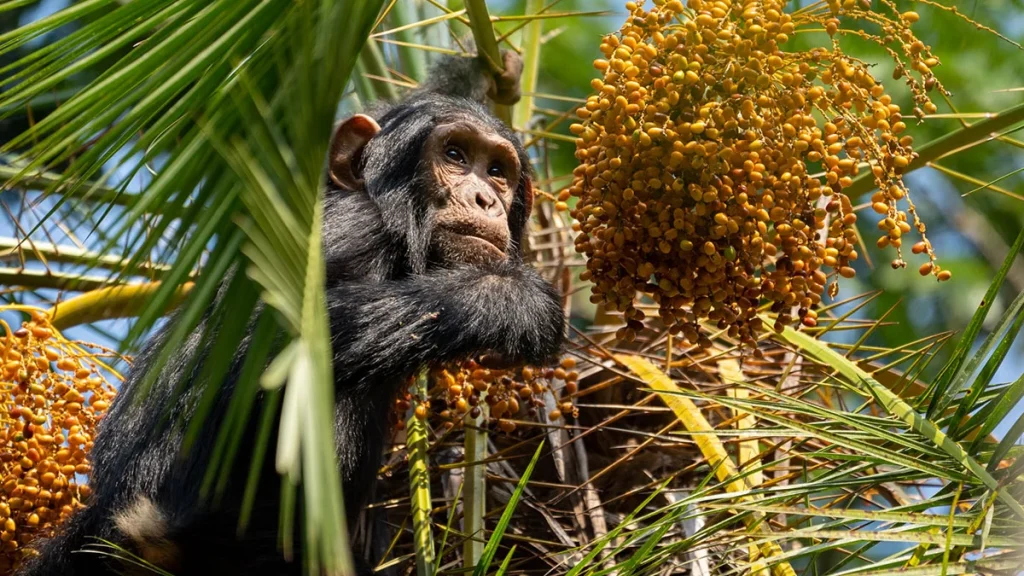
The recommended viewing distance allows visitors to appreciate the intelligence and personality of chimpanzees without interfering with their daily activities. Travelers may watch chimpanzees feeding, climbing trees, resting, grooming each other, or communicating through different sounds. These moments provide incredible insight into their social lives while maintaining responsible wildlife practices.
Chimpanzee trekking experiences are made possible through years of conservation work and habituation programs. Habituated chimpanzees have become accustomed to the presence of researchers, guides, and visitors, allowing people to observe them while they continue behaving naturally. However, habituation does not mean that chimpanzees are domesticated or trained to interact with humans.
Professional guides play an important role in managing encounters. They understand chimpanzee behavior, recognize signs of stress, and help visitors position themselves safely. Their knowledge ensures that guests enjoy meaningful experiences while respecting the animals and their environment.
Where Should You Go for the Best Chimpanzee Safari Experiences?
Uganda is one of Africa’s premier chimpanzee tracking destinations, offering excellent opportunities to observe chimpanzees in their natural habitats. Kibale Forest National Park is the country’s most famous chimpanzee destination and is widely recognized for its successful primate conservation programs.
The forest provides a perfect environment for chimpanzee encounters, with experienced trackers guiding visitors through beautiful rainforest trails. During the trek, travelers learn about chimpanzee behavior, forest ecology, and conservation efforts while searching for chimpanzee communities.
Besides Kibale Forest, Uganda offers chimpanzee experiences in destinations such as Budongo Forest and Kyambura Gorge. These locations provide unique landscapes and peaceful wildlife encounters. Travelers choosing Uganda Safaris can combine chimpanzee tracking with gorilla trekking, wildlife viewing, birdwatching, cultural tours, and scenic adventures.
Rwanda provides another outstanding chimpanzee safari destination through Nyungwe Forest National Park. This ancient rainforest is famous for its biodiversity, beautiful scenery, and well-managed tourism experiences. Visitors can explore the forest while observing chimpanzees and discovering other wildlife species.
Many travelers select Rwanda Safaris because of the country’s excellent tourism infrastructure, organized activities, and opportunities to combine chimpanzee tracking with gorilla trekking in Volcanoes National Park.
Where Should You Stay During a Chimpanzee Safari?
Choosing suitable accommodation enhances the comfort and enjoyment of a chimpanzee safari. Staying near trekking locations allows visitors to access the forest easily and spend more time enjoying wildlife experiences.
In Uganda, travelers can choose from forest lodges, eco-friendly camps, and comfortable safari accommodations located near chimpanzee habitats. These properties provide relaxing environments where guests can recover after forest walks while enjoying beautiful natural surroundings.
Rwanda offers a variety of accommodation options near Nyungwe Forest, including luxury lodges, eco-retreats, and nature-focused stays. These facilities combine comfort with environmental responsibility, allowing guests to enjoy the rainforest atmosphere.
Freka African Holidays helps travelers select accommodations based on their preferences, budget, and travel style. The right accommodation ensures visitors have a comfortable base while exploring chimpanzee destinations.
When Is the Best Time to Go for Chimpanzee Safari Experiences?
Chimpanzee tracking is available throughout the year, but some seasons provide more favorable conditions for forest exploration. The dry seasons are often preferred because trails are easier to navigate and hiking conditions are more comfortable.
The months between June and September and December to February are popular periods for chimpanzee safaris in Uganda and Rwanda. During these times, travelers often enjoy pleasant weather and excellent opportunities for wildlife observation.
The rainy seasons also provide rewarding experiences. Forests become greener, landscapes become more vibrant, and fewer visitors create a quieter atmosphere. Photographers and nature lovers often appreciate these periods because of the dramatic scenery.
What Should You Pack for a Chimpanzee Safari?
Proper preparation is essential for a comfortable and enjoyable chimpanzee trekking experience. Travelers should pack lightweight long-sleeved shirts and trousers to protect against insects, vegetation, and changing temperatures.
Waterproof hiking boots are highly recommended because rainforest trails can become muddy and slippery. A rain jacket is important because tropical forests may experience sudden rainfall. Visitors should also carry insect repellent, sunscreen, sunglasses, a hat, reusable water bottles, personal medication, and a small backpack.
Photography enthusiasts should bring cameras, extra batteries, memory cards, and binoculars to capture wildlife moments. Comfortable clothing and a willingness to explore are equally important because chimpanzee trekking involves walking through natural environments.
What Other Activities Can Be Done During the Safari?
Chimpanzee Safari Experiences can be combined with many additional activities that showcase Africa’s wildlife, landscapes, and cultures. Visitors can enjoy gorilla trekking, birdwatching, wildlife game drives, nature walks, cultural experiences, and scenic tours.
Birdwatching is especially rewarding because chimpanzee forests are home to many unique bird species. Cultural visits allow travelers to meet local communities, learn traditional practices, and understand how conservation supports people living near protected areas.
Combining chimpanzee tracking with other activities creates a complete African adventure that goes beyond wildlife viewing and provides a deeper appreciation of the region.
Why Choose Freka African Holidays?
Freka African Holidays specializes in creating unforgettable chimpanzee safari experiences throughout Uganda and Rwanda. Our expertise allows us to design carefully planned journeys that combine wildlife discovery, comfort, safety, and responsible tourism.
We understand that every traveler seeks a unique experience, which is why we provide personalized itineraries, professional guides, reliable transportation, and quality accommodation recommendations. Our guides share valuable information about chimpanzee behavior, rainforest ecosystems, conservation efforts, and local cultures.
Choosing Freka African Holidays means choosing a trusted safari partner dedicated to providing authentic African adventures. We focus on creating meaningful wildlife experiences where travelers not only observe chimpanzees but also understand the importance of protecting their natural habitats.
Through expertly organized Uganda Safaris and Rwanda Safaris, Freka African Holidays helps travelers experience the beauty of chimpanzees responsibly while supporting conservation initiatives that protect Africa’s forests and wildlife for future generations.