Why Choose Chimpanzee Tracking in Uganda, Rwanda, or Tanzania?
August 17, 2026
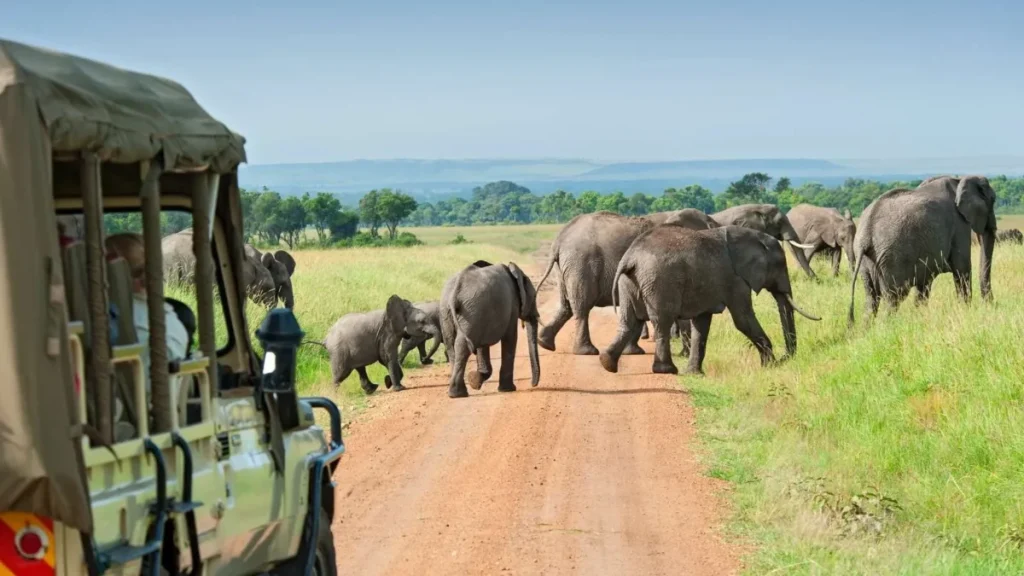
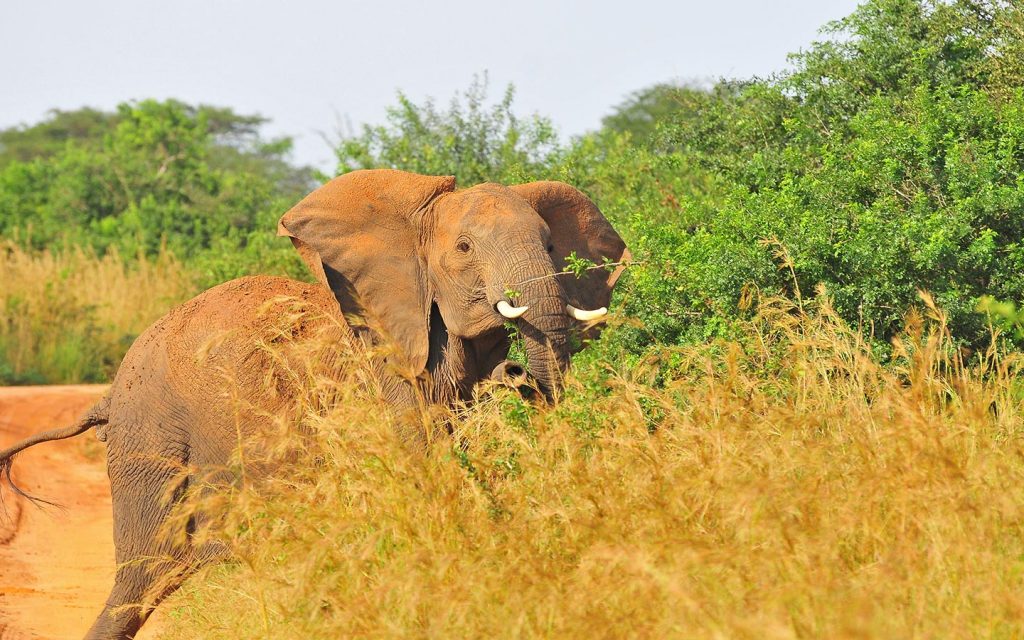
What wildlife might I see besides chimpanzees?
August 18, 2026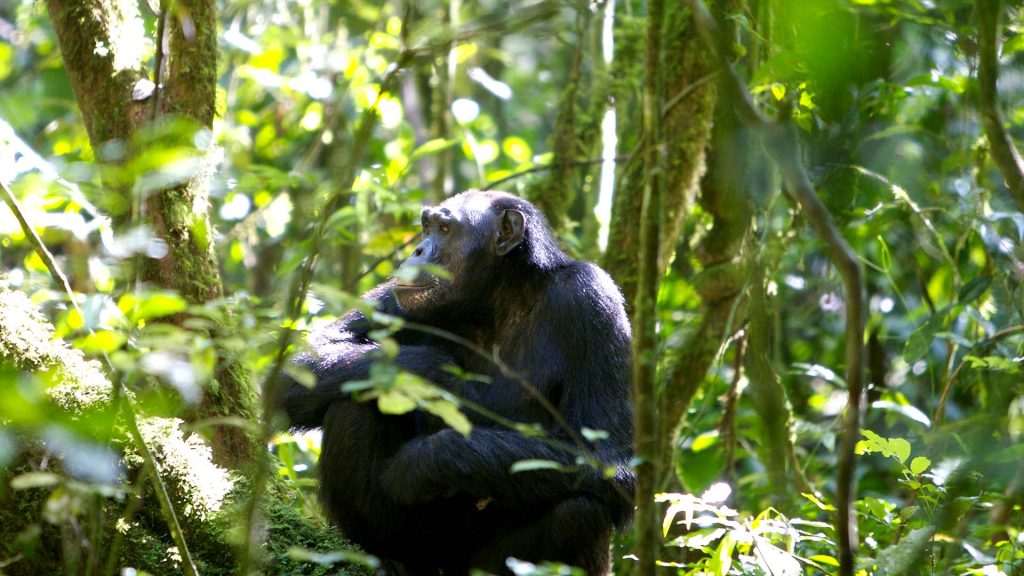
Why are chimpanzee permits limited?
Why Are Chimpanzee Permits Limited? Chimpanzee Safari Experiences offer travelers one of the most fascinating wildlife encounters in Africa, allowing them to enter ancient forests and observe intelligent primates in their natural environment. Unlike ordinary wildlife tours that mainly focus on large animals across open landscapes, chimpanzee safaris introduce visitors to the hidden world of tropical rainforests, where every sound, movement, and discovery creates a unique adventure. Watching chimpanzees interact within their communities, communicate through different sounds, search for food, and care for their young provides a rare opportunity to understand the behavior of animals that share many similarities with humans.
East Africa is among the best regions in the world for chimpanzee tracking, with Uganda and Rwanda offering some of the most remarkable forest experiences. Travelers planning unforgettable Uganda Safaris can explore protected forests that host thriving chimpanzee populations, while visitors choosing Rwanda Safaris experience well-organized primate adventures surrounded by beautiful rainforest scenery. These destinations combine wildlife exploration with conservation, cultural encounters, and responsible tourism practices that help protect endangered chimpanzees.
Chimpanzee Safari Experiences are not only about observing wildlife; they are also about understanding the importance of conserving natural habitats. Every trek provides insight into rainforest ecosystems and the relationship between chimpanzees, other wildlife species, and the environment. Professional guides and trackers help visitors understand chimpanzee behavior, forest conservation challenges, and the efforts being made to protect these remarkable animals.
The limited number of visitors allowed during chimpanzee tracking experiences is one of the reasons these safaris remain special. By controlling the number of trekking participants, conservation authorities ensure that chimpanzees remain protected while visitors enjoy meaningful encounters with minimal disturbance. Understanding why chimpanzee permits are limited helps travelers appreciate the importance of responsible tourism and the role they play in protecting Africa’s wildlife.
Why Are Chimpanzee Permits Limited?
Chimpanzee permits are limited because conservation authorities prioritize the protection, health, and natural behavior of chimpanzee communities. Although tourism provides important financial support for conservation, too many visitors entering forests at the same time could negatively affect chimpanzee populations and their fragile habitats.
One major reason for limiting permits is to reduce stress on chimpanzees. These animals are intelligent and sensitive creatures that can recognize changes in their environment. Large groups of tourists creating excessive noise, movement, or human presence could interfere with their normal activities, including feeding, resting, social interactions, and movement patterns. By controlling visitor numbers, conservation teams ensure that chimpanzees continue living naturally without unnecessary disturbance.
Another reason permits are limited is to protect chimpanzee health. Because chimpanzees share many biological similarities with humans, they can be vulnerable to certain human illnesses. Even common respiratory infections that are harmless to people may pose serious risks to chimpanzees. Limiting the number of visitors, maintaining safe distances, and enforcing health guidelines help reduce the possibility of disease transmission.
Permit restrictions also support better wildlife management. Smaller trekking groups allow guides and researchers to monitor chimpanzee behavior more effectively. Conservation teams can collect important information about population health, social structures, and environmental changes while ensuring that tourism remains sustainable.
Additionally, limited permits improve the quality of the visitor experience. Smaller groups provide travelers with better opportunities to observe chimpanzees, take photographs, ask questions, and enjoy the forest environment peacefully. Instead of crowded encounters, visitors experience a more personal and authentic connection with nature.
The revenue generated from chimpanzee permits contributes directly to conservation activities, including ranger patrols, habitat protection, scientific research, and community development programs. Therefore, purchasing a permit is not only access to a wildlife experience but also a contribution toward protecting chimpanzees and their ecosystems for future generations.
Where Should You Go for the Best Chimpanzee Safari Experiences?
Uganda is one of the leading destinations for chimpanzee tracking because of its extensive forest ecosystems and successful conservation programs. Kibale Forest National Park is the country’s most famous chimpanzee destination and is widely recognized for its high population of habituated chimpanzees. Trekking through this rainforest allows visitors to experience the sounds, sights, and atmosphere of one of Africa’s richest ecosystems.
During a chimpanzee trek in Kibale, visitors walk through forest trails accompanied by expert guides who help locate chimpanzee communities. Once found, travelers can observe these primates as they communicate, climb trees, search for food, and interact socially. The experience provides incredible opportunities for wildlife photography and learning about primate behavior.
Uganda also offers chimpanzee tracking opportunities in other areas, including Budongo Forest and Kyambura Gorge. These locations provide different landscapes and experiences while contributing to conservation efforts. Combining chimpanzee trekking with other activities makes Uganda Safaris ideal for travelers seeking diverse wildlife adventures.
Rwanda provides another exceptional chimpanzee destination through Nyungwe Forest National Park. This ancient rainforest is famous for its biodiversity, scenic beauty, and successful conservation initiatives. Visitors participating in Rwanda Safaris can explore forest trails while searching for chimpanzees and enjoying encounters with other primates, birds, and unique plant species.
Nyungwe’s well-developed tourism infrastructure makes chimpanzee trekking accessible and comfortable. Many travelers combine chimpanzee tracking with gorilla trekking, canopy walks, cultural tours, and scenic explorations, creating a complete East African adventure.
Where Should You Stay During a Chimpanzee Safari?
Choosing the right accommodation helps make a chimpanzee safari more comfortable and enjoyable. Staying near trekking locations allows visitors to reach forest entrances easily and maximize their time exploring nature.
In Uganda, travelers can choose from eco-lodges, forest camps, and safari lodges located near chimpanzee habitats. These accommodations provide comfortable rooms, local cuisine, relaxing environments, and opportunities to enjoy the surrounding wilderness.
Rwanda offers excellent accommodation options near Nyungwe Forest, including luxury lodges and nature-focused retreats. Many properties combine modern comfort with environmentally responsible practices, allowing guests to enjoy the beauty of the rainforest while supporting sustainable tourism.
Freka African Holidays assists travelers in selecting accommodations that match their travel style, budget, and expectations, ensuring a comfortable experience throughout the safari.
When Is the Best Time to Go for Chimpanzee Safari Experiences?
Chimpanzee tracking can be enjoyed throughout the year, but the dry seasons are often considered the most comfortable periods for trekking. During these months, forest trails are generally easier to walk, and visitors can enjoy better hiking conditions.
The periods between June and September and December to February are popular times for chimpanzee safaris in Uganda and Rwanda. These months often provide favorable weather for outdoor activities and wildlife observation.
However, the wet seasons also offer unique advantages. Forests become greener, waterfalls become more impressive, and fewer visitors create quieter trekking experiences. Travelers interested in photography and birdwatching may find these seasons especially rewarding.
The best time to travel depends on personal preferences, availability, and whether visitors want to combine chimpanzee trekking with other safari activities.

chimpanzees-trek
What Should You Pack for a Chimpanzee Safari?
Packing properly ensures a comfortable and safe chimpanzee tracking experience. Visitors should bring lightweight long-sleeved shirts and trousers to protect themselves from insects, vegetation, and changing weather conditions.
Waterproof hiking boots are essential because rainforest trails can become muddy and uneven. Travelers should also carry a rain jacket, insect repellent, sunscreen, sunglasses, a hat, reusable water bottle, personal medication, and a small backpack.
Photography enthusiasts should pack cameras, extra batteries, memory cards, and binoculars to capture wildlife moments. Comfortable clothing, patience, and a willingness to explore are equally important parts of preparation.
What Other Activities Can Be Done During the Safari?
Chimpanzee Safari Experiences can be combined with many exciting activities that showcase Africa’s natural and cultural diversity. Travelers can enjoy gorilla trekking, birdwatching, wildlife game drives, cultural visits, nature walks, and boat excursions.
Bird lovers can explore forests filled with colorful species, while photographers can capture landscapes, wildlife, and cultural moments. Community experiences allow visitors to learn about local traditions and support community-based tourism projects.
Combining chimpanzee tracking with other adventures creates a complete safari experience that highlights Africa’s wildlife, scenery, and people.
Why Choose Freka African Holidays?
Freka African Holidays specializes in creating authentic and memorable chimpanzee safari experiences throughout East Africa. Our team understands the importance of careful planning, conservation responsibility, and personalized service when organizing wildlife adventures.
With expert knowledge of Uganda and Rwanda’s chimpanzee destinations, we design itineraries that provide excellent wildlife encounters while respecting conservation guidelines. Our professional guides share valuable knowledge about chimpanzee behavior, forests, wildlife protection, and local cultures.
Freka African Holidays focuses on providing reliable transportation, comfortable accommodations, and well-planned activities that allow travelers to enjoy every moment of their journey. We believe that a successful safari should create unforgettable memories while contributing positively to wildlife conservation.
Choosing Freka African Holidays means choosing experience, trust, and passion for Africa’s natural heritage. Whether you are planning your first chimpanzee adventure or returning for another wildlife experience, we provide carefully designed safaris that connect travelers with nature while supporting the protection of Africa’s incredible chimpanzee populations.