Can I Track Chimps in Kibale in the Afternoon?
July 6, 2026
Can I See Lions and Rhinos in Nairobi National Park?
July 6, 2026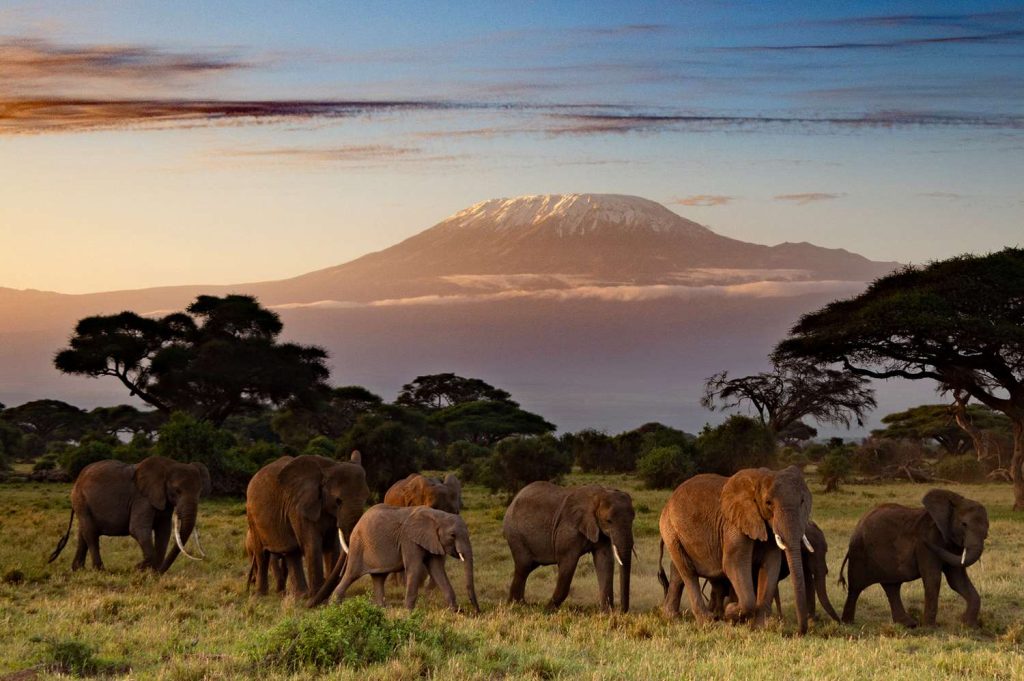
Can I See Mount Kilimanjaro from Amboseli?
Travelers often ask, “Can I see Mount Kilimanjaro from Amboseli?” when planning their Kenya Safaris, seeking both breathtaking landscapes and extraordinary wildlife experiences. Amboseli National Park is one of East Africa’s most iconic safari destinations, celebrated for its large elephant herds, wide-open savannahs, and stunning backdrop of Africa’s tallest peak, Mount Kilimanjaro. The park offers an unmatched combination of wildlife viewing, birdwatching, and cultural immersion that appeals to travelers of all interests.
At Freka African Holidays, we craft itineraries that highlight the perfect timing and locations for observing Kilimanjaro’s snow-capped peak while maximizing the wildlife and cultural experiences Amboseli offers. Visitors can enjoy Kenya Wildlife Safaris, focusing on elephants, lions, cheetahs, and giraffes, as well as Kenya Birding Safaris, which attract rare and endemic species such as the Eastern Chanting Goshawk, Kori Bustard, and African Pygmy Goose. Cultural safaris in Amboseli introduce travelers to Maasai communities, where traditional dances, beadwork, and pastoralist lifestyles provide insight into centuries-old practices.
Timing and duration play a crucial role in answering “Can I see Mount Kilimanjaro from Amboseli?”. Clear visibility of the mountain is largely determined by the dry seasons from June to October and January to February, when rainfall is minimal, skies are clear, and photographic opportunities are at their peak. Additionally, combining Amboseli with Uganda Gorilla Trekking Safaris or other Kenyan destinations allows travelers to experience a multi-faceted East African safari that blends savannah, forest, and cultural exploration in one seamless itinerary. This guide explores the best time to visit, what to expect, how to prepare, and all the activities that make Amboseli a must-visit safari destination.
Amboseli National Park – Iconic Wildlife and Stunning Scenery
Elephants, Predators, and Majestic Landscapes
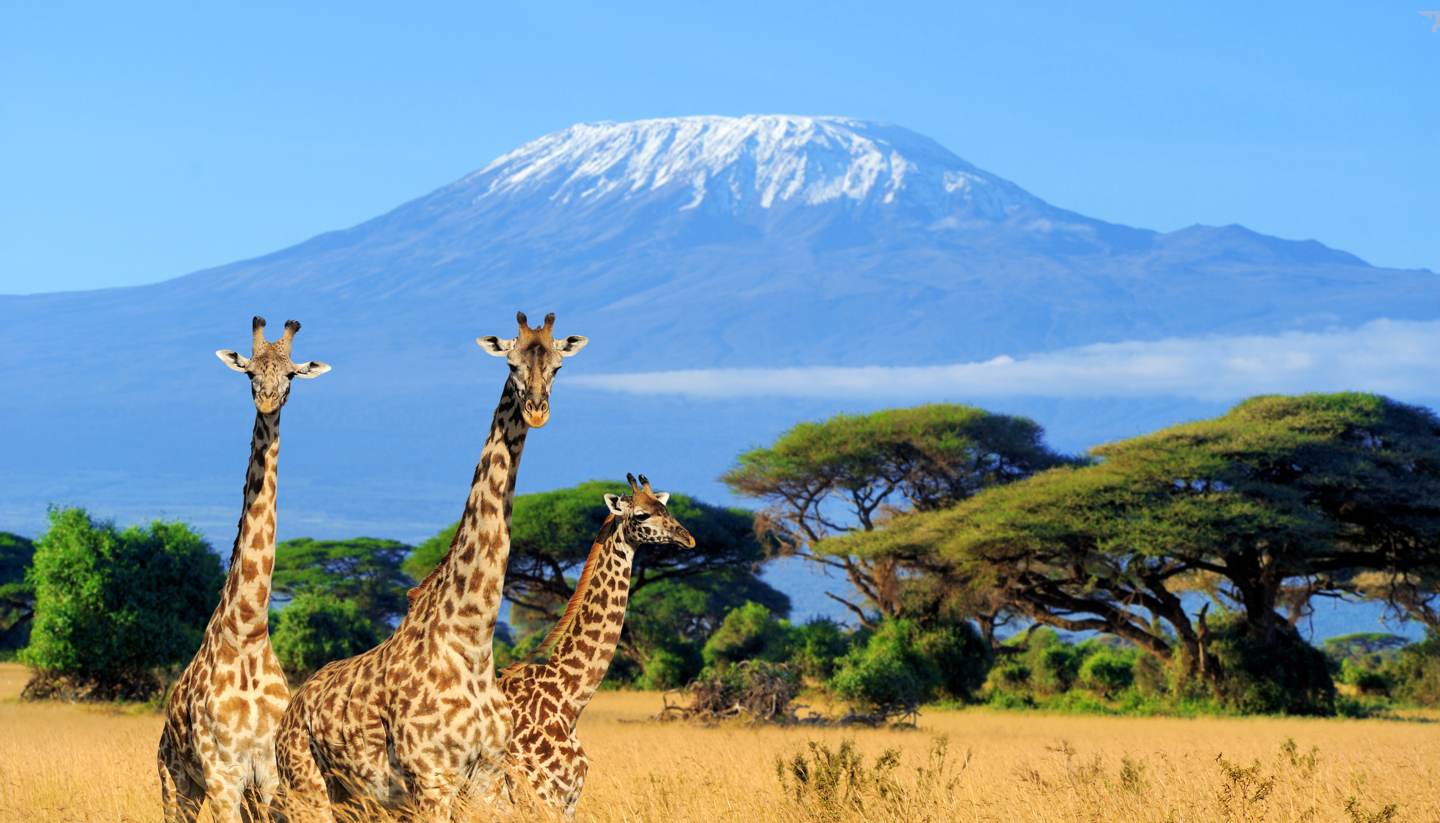
When asking “Can I see Mount Kilimanjaro from Amboseli?”, one must first consider the park’s geographical location and unique ecosystem. Amboseli is situated in southern Kenya, near the Tanzanian border, providing one of the most famous views of Mount Kilimanjaro from across the vast plains. The park’s flat terrain allows for unobstructed vistas of Kilimanjaro’s snow-capped peaks, creating dramatic photographic opportunities, especially during sunrise and sunset.
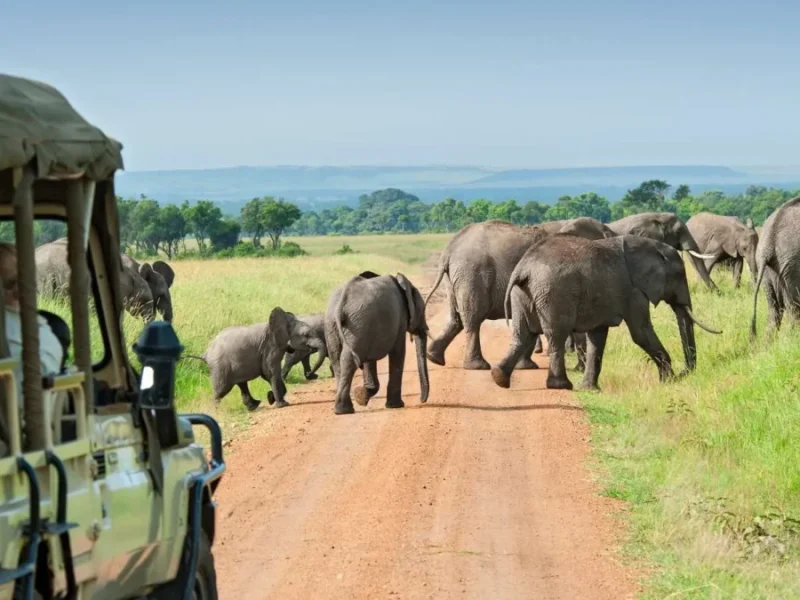
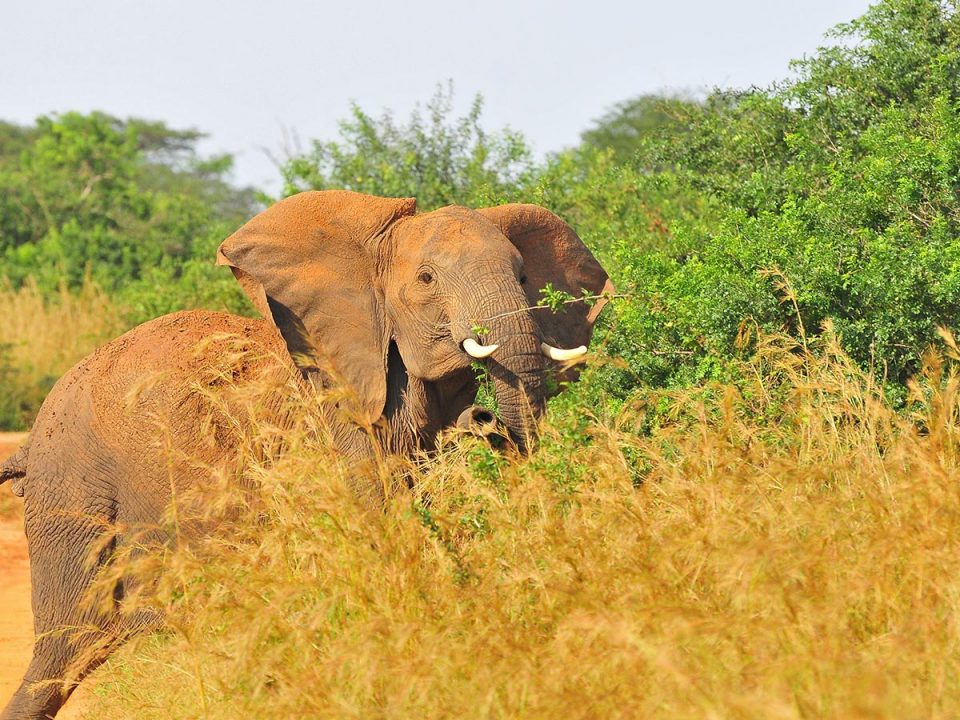
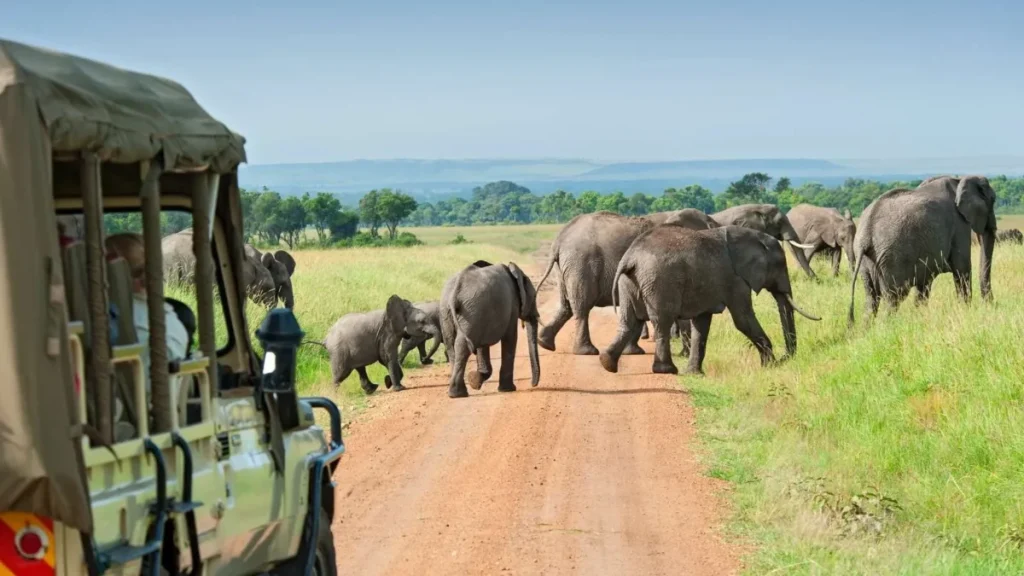
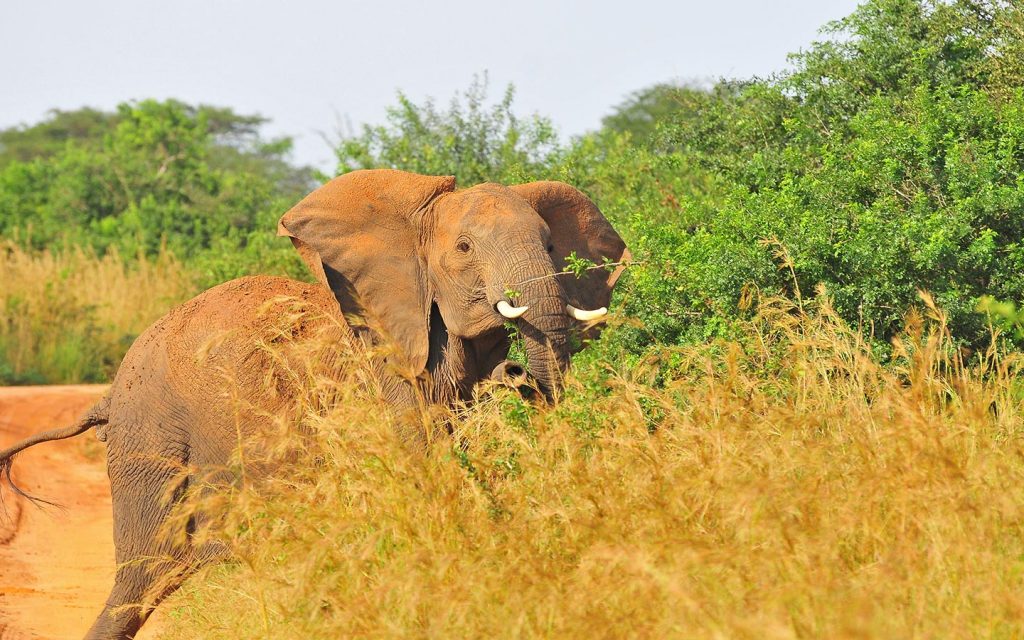
Amboseli is renowned for its enormous elephant herds, which are often observed in close proximity to waterholes and marshes. Lions, cheetahs, hyenas, giraffes, and zebras inhabit the park, ensuring that Kenya Wildlife Safaris deliver diverse and memorable encounters. Bird enthusiasts on Kenya Birding Safaris can spot hundreds of species including migratory and endemic birds, with wetland areas providing ideal observation points. Wildlife viewing is enhanced by knowledgeable guides who understand animal behavior and the best vantage points for capturing Kilimanjaro’s grandeur.
Cultural experiences add another layer to the Amboseli safari. Travelers visiting local Maasai villages witness traditional ceremonies, participate in storytelling, and explore beadwork artistry, creating meaningful connections with the people who call this region home. For those seeking extended adventures, it is possible to combine Amboseli safaris with Uganda Gorilla Trekking Safaris, providing a seamless transition from open savannahs and iconic landscapes to dense tropical forests. Answering “Can I see Mount Kilimanjaro from Amboseli?” requires understanding not only the geography but also the optimal timing and viewing conditions to ensure a complete and immersive safari experience.
Best Time to See Mount Kilimanjaro from Amboseli
Seasonal Considerations and Visibility
Travelers frequently ask “Can I see Mount Kilimanjaro from Amboseli?” during their itinerary planning, and the answer largely depends on seasonal patterns. The dry months from June to October are generally considered the best for visibility. During this period, minimal cloud cover and reduced rainfall offer clear views of the snow-capped peak, making photography and sightseeing ideal. Another excellent window is the short dry season between January and February, when skies are crisp, and animal concentrations near waterholes create spectacular wildlife encounters.
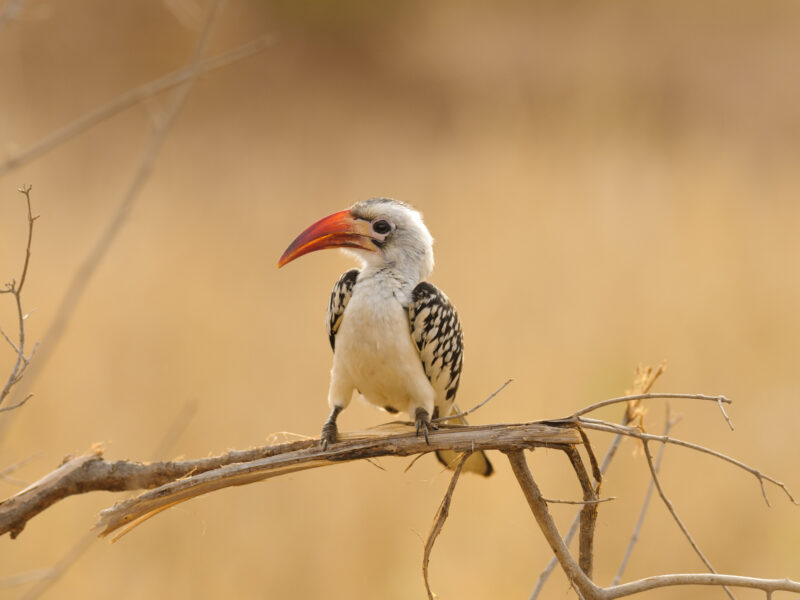
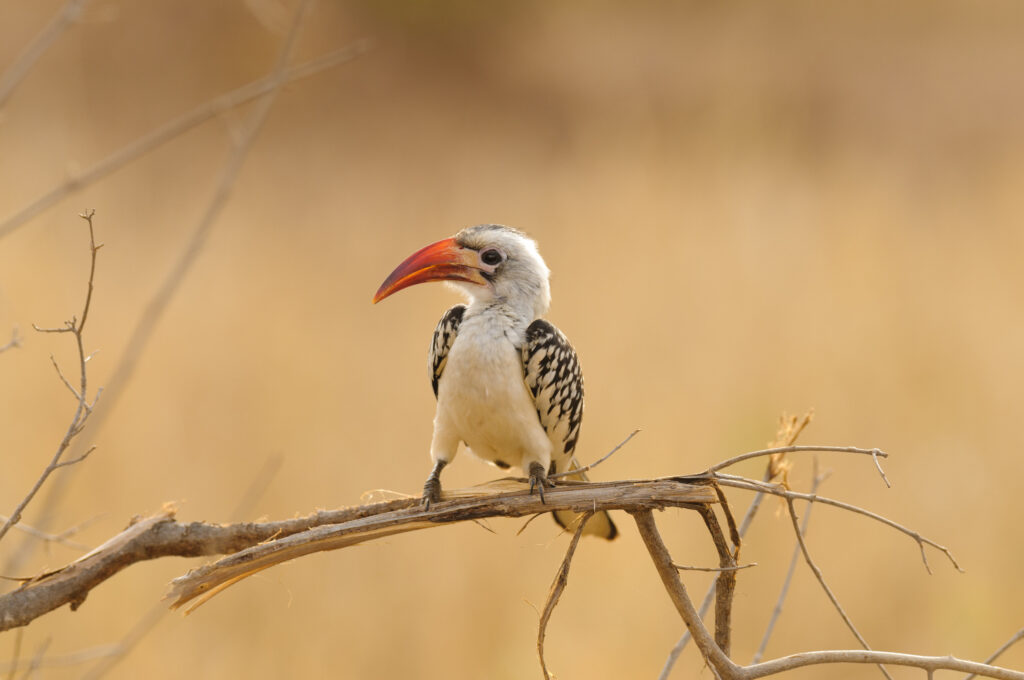
Rainy seasons, from March to May and November, can obscure the mountain with clouds and mist, making it more challenging to capture unobstructed views. However, these months provide lush, green landscapes, abundant birdlife, and opportunities to witness newborn wildlife. Birding enthusiasts can spot species like the African Fish Eagle, Malachite Kingfisher, and Saddle-billed Stork during both wet and dry seasons, making Amboseli an all-year birding destination.
For travelers planning Kenya Wildlife Safaris and Kenya Birding Safaris, selecting the right season ensures a balance between optimal wildlife viewing and breathtaking vistas of Mount Kilimanjaro. Longer stays of three to five days in Amboseli increase the likelihood of enjoying clear views of the mountain while exploring the park’s diverse ecosystems. Strategic planning of safari days during early mornings and late afternoons further enhances the chance of observing both wildlife activity and the magnificent backdrop of Kilimanjaro.
Amboseli Safari Duration – How Long to Spend
Planning for a Complete Safari Experience
When deciding “Can I see Mount Kilimanjaro from Amboseli?”, the question of how long to spend in the park is crucial. A stay of three to four full days is recommended for travelers seeking comprehensive wildlife and birding experiences alongside unobstructed views of the mountain. This duration allows time for morning and evening game drives, which coincide with peak wildlife activity, while also incorporating birding excursions and cultural interactions.
Three days provide a concise but rewarding safari, allowing visitors to explore Amboseli’s main habitats, including open plains, marshes, and riverine areas. Extending to four or five days enables a deeper exploration, offering the opportunity to visit remote corners of the park, witness more intimate animal behaviors, and photograph Mount Kilimanjaro under varying lighting conditions. Longer stays are particularly beneficial for travelers combining Kenya Cultural Safaris and Uganda Gorilla Trekking Safaris, providing a well-rounded East African experience that blends savannah, forest, and cultural highlights seamlessly.
Guided safaris maximize the value of each day, as expert guides know the locations of large elephant herds, predator activity, and prime vantage points for Mount Kilimanjaro photography. Understanding how long to spend in Amboseli ensures a balanced itinerary that allows travelers to enjoy wildlife, birding, cultural experiences, and spectacular landscapes without feeling rushed.
Wildlife and Birding in Amboseli
Iconic Species and Rare Birds
A key consideration for travelers asking “Can I see Mount Kilimanjaro from Amboseli?” is the park’s exceptional wildlife and birding potential. Amboseli hosts some of the largest elephant herds in Africa, along with lions, cheetahs, leopards, and hippos, making it a top destination for Kenya Wildlife Safaris. The concentration of animals near swamps and waterholes provides reliable sightings, enhancing the safari experience and offering unparalleled photographic opportunities with Kilimanjaro in the background.
Bird enthusiasts on Kenya Birding Safaris enjoy diverse habitats that attract over 400 species. Rare and endemic birds include the Eastern Chanting Goshawk, Yellow-throated Sandgrouse, and African Jacana, alongside migratory species that visit during different seasons. Combining Amboseli birding with cultural interactions, such as Maasai village visits, allows travelers to appreciate both natural and cultural richness. Expert guides enhance the experience by sharing knowledge of bird species, animal behavior, and optimal times for wildlife observation.
For travelers interested in multi-destination itineraries, Amboseli can be paired with Uganda Gorilla Trekking Safaris, allowing observation of savannah wildlife and tropical primates in a single East African journey. Answering “Can I see Mount Kilimanjaro from Amboseli?” encompasses not only the stunning landscapes but also the rich diversity of wildlife and birds that create a complete safari experience.
Cultural Experiences in Amboseli
Engaging with the Maasai Community
Visitors frequently inquire “Can I see Mount Kilimanjaro from Amboseli?” while also seeking cultural depth during their safari. The Maasai people, whose communities surround Amboseli, offer travelers opportunities to experience traditional dances, beadwork, and herding practices. Cultural tours provide insight into their centuries-old lifestyle, ceremonies, and spiritual beliefs, creating a meaningful connection between visitors and the local community.
Incorporating cultural safaris alongside wildlife observation enriches the experience and complements Kenya Cultural Safaris itineraries. Travelers can participate in storytelling sessions, observe traditional hut construction, or learn about livestock management techniques unique to the Maasai. For those extending their safari to Uganda Gorilla Trekking Safaris, the cultural component provides a seamless East African journey, blending savannah traditions with forest-based wildlife experiences. Answering “Can I see Mount Kilimanjaro from Amboseli?” goes beyond landscapes; it includes engaging with local communities, adding authenticity and depth to the safari experience.
Safari Logistics – How to Reach Amboseli
Access, Accommodation, and Travel Tips
Planning for “Can I see Mount Kilimanjaro from Amboseli?” requires understanding accessibility and logistics. Amboseli is approximately 240 km from Nairobi, making it reachable by road in about four hours. Small domestic flights from Nairobi’s Wilson Airport are also available, landing at Amboseli airstrips near major lodges and camps. Well-located lodges offer quick access to prime game viewing areas, enhancing the safari experience and optimizing time for wildlife drives and photography.
Travelers should pack neutral-colored clothing, sun hats, sunglasses, and binoculars for comfortable game drives. Rain jackets are advisable in the short rainy season, while sturdy shoes are essential for walking safaris or excursions in conservancy areas. Knowledgeable guides provide advice on the best viewing points for Mount Kilimanjaro, wildlife sightings, and birding hotspots, ensuring each safari day is productive and memorable.
A stay of three to five days balances exploration, photography, and relaxation while offering opportunities for cultural engagement, birdwatching, and optional extensions such as Uganda Gorilla Trekking Safaris. Proper planning ensures travelers fully enjoy Amboseli’s natural beauty and its majestic views of Kilimanjaro, answering the central question: “Can I see Mount Kilimanjaro from Amboseli?” with clarity and practical insight.
Conclusion – Amboseli Safari Experience with Kilimanjaro Views
Answering “Can I see Mount Kilimanjaro from Amboseli?” involves combining the right timing, adequate safari duration, and thoughtful itinerary planning. A stay of three to five days allows visitors to witness large elephant herds, rare bird species, Maasai cultural experiences, and of course, the breathtaking views of Mount Kilimanjaro.
At Freka African Holidays, we design expert itineraries that ensure travelers experience Amboseli to its fullest potential, blending wildlife safaris, birding excursions, and cultural interactions. By choosing the optimal season and planning a multi-day stay, guests enjoy a comprehensive safari that combines natural beauty, adventure, and authentic cultural engagement, making Amboseli one of Kenya’s most unforgettable destinations.